• HOME
  • SUDECC Travel
  • Events
  • Experts
    • Members
  • BLOG
SUDECC
  • HOME
  • SUDECC Travel
  • Events
  • Experts
    • Members
  • BLOG

Black Caribbean Immigrants in the U.S.

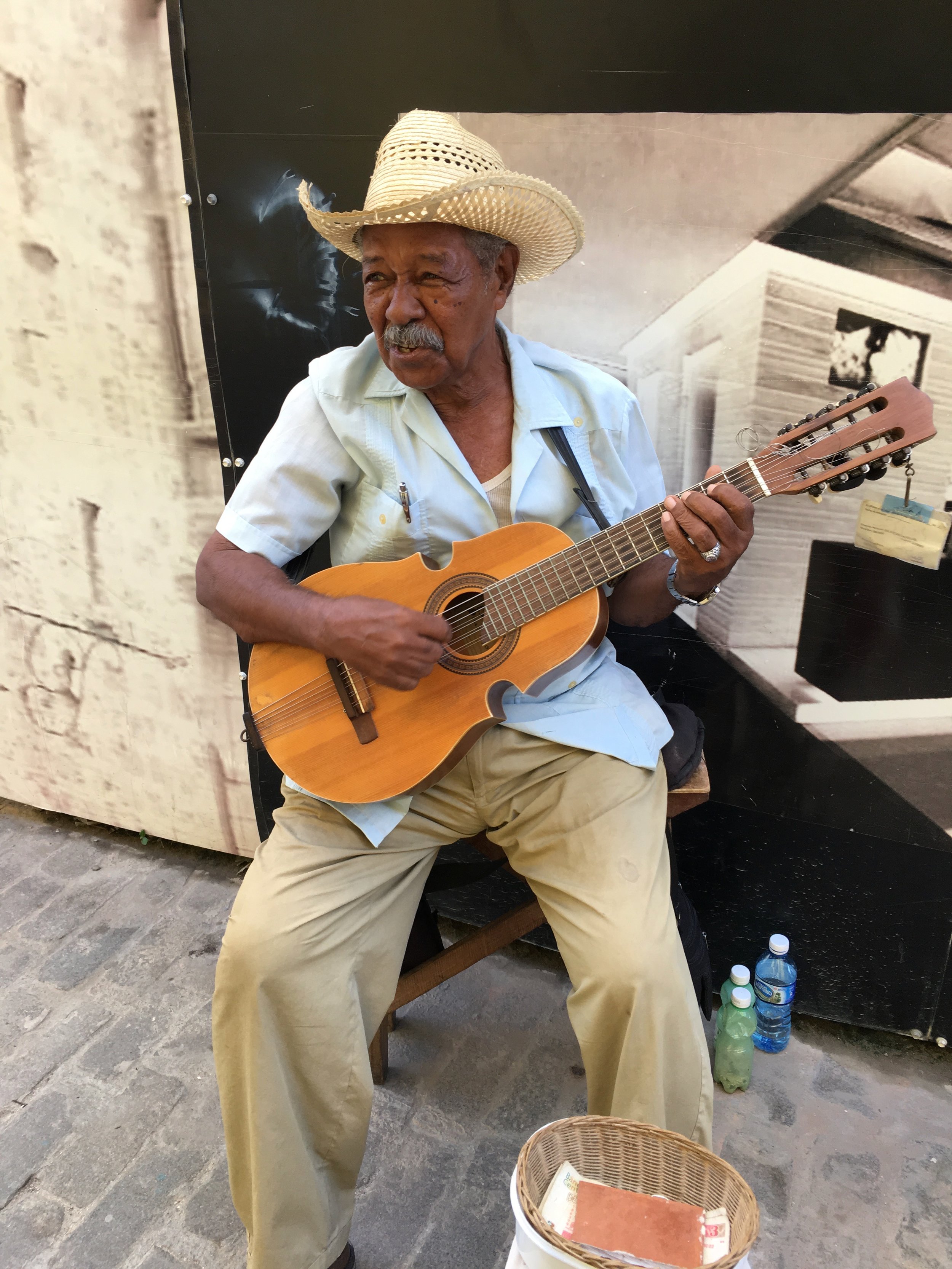
IMG_9425.JPG

Black Caribbean Immigrants in the US

Black Caribbean immigrants are born in the Caribbean, live in the US and identify as Black. African Americans are US born and identify as Black. The Black community includes both.

This is Part 1 of a blog series to shed light on Black immigrants from the Caribbean, Latin America, Africa and other parts of the world. We will share facts, data and discuss commonalities and differences with African Americans.

by Valerie Lacarte, PhD

The historic nomination of Kamala Harris as the Democratic Vice-Presidential nominee highlights the Black community’s diversity. Senator Harris who is a proud African American – recall her presidential campaign launch from Howard University on MLK Day – often mentions her Indian mother and Jamaican father. Other examples of first, second and even third-generation Black Caribbean immigrants who broke barriers in recent political history include: Colin Powell, Yvette Clarke, Karl Racine, Frederica S. Wilson, Mia Love, Karine Jean-Pierre, Eric Holder, Susan Rice, to name a few. Black Caribbean immigrants and their children contribute to improving the Black experience in the US by taking an active role in dismantling barriers that plague all Black people.  

Jamaicans and Haitians make up two thirds of Black Caribbean immigrants and 9 out of 10 Black Caribbean immigrants live on the East coast.

Since the 1950s, a combination of low economic opportunities, political instability, crime and natural disasters have pushed thousands out of the Caribbean. In the US, the number of people born in the Caribbean who identifies as Black totals 2,083,488, representing 44% of all Black immigrants in the US. Jamaicans and Haitians make up two thirds of Black Caribbean immigrants, followed by Trinidadians, Dominicans, and in smaller numbers Barbadians, Cubans, Grenadians and Bahamians.

Table 1. Number of Black Caribbean Immigrants living in the US by Country of Birth
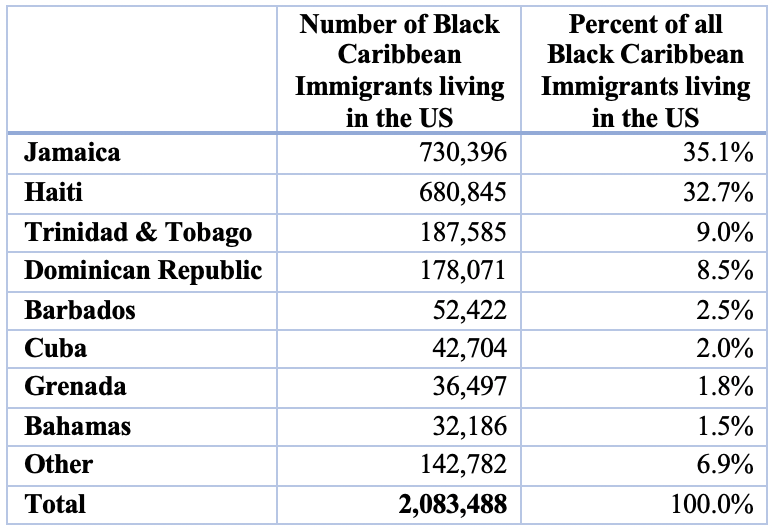
Source: Author’s analysis of the 2014-2018 American Community Surveys. Note: All ages. All people who self-identify in the ACS as Black only or in combination with another race/ethnicity.

Source: Author’s analysis of the 2014-2018 American Community Surveys. Note: All ages. All people who self-identify in the ACS as Black only or in combination with another race/ethnicity.

About 64% of Black Caribbean immigrants are naturalized US citizens; non-citizens include permanent residents, individuals with non-immigrant authorizations (student, H1B, diplomatic visas, refugees, etc.) and undocumented migrants. The majority of Black Caribbean immigrants live along the East coast with the largest concentrations in Florida (32%), New York (31%) and New Jersey (7%).

Figure 1. State of Residence of Black Caribbean Immigrants

Source: Author’s analysis of the 2014-2018 American Community Surveys. Note: States identified on the map represent 88% of Black Caribbean immigrants. Other states not identified have 0-2% of Black Caribbean immigrants.

Source: Author’s analysis of the 2014-2018 American Community Surveys. Note: States identified on the map represent 88% of Black Caribbean immigrants. Other states not identified have 0-2% of Black Caribbean immigrants.

Black Caribbean immigrants have lower levels of education than African Americans; African American Women are the most educated.

One in five Black Caribbean immigrant has a bachelor’s degree or higher - about the same share as African Americans. An important difference is that 23% of Black Caribbean immigrants do not have a High School degree, which is much higher than among African Americans (16% of men and 13% of women). African American women are the most educated group shown in the figure below: 23% of them have at least a bachelor’s degree.

Figure 2. Highest Degree Obtained by Black Caribbean Immigrants and African Americans, by Gender

Source: Author’s analysis of the 2014-2018 American Community Surveys. Note: Age 25 and older. Immigrants who came to the US as adults.

Source: Author’s analysis of the 2014-2018 American Community Surveys. Note: Age 25 and older. Immigrants who came to the US as adults.

Black Caribbean Immigrant and African American workers earn about the same, but a higher proportion of African Americans are unemployed.

Considering only full-time year-round workers, the median annual earnings of Black Caribbean immigrants are about the same as those of African Americans: $40,000 for men and $36,000 for women.

While Black women are as educated - or more - than Black men, they earn less. Persistent gender inequality in the home – women typically do more household chores and childcare – pushes women into part-time work and often lower-paid jobs with little or no benefits. Many of these jobs are in the care and hospitality sectors where frontline workers are more vulnerable as we are seeing right now with the COVID-19 crisis.

Still, the gender wage gap in the Black population is one of the lowest across all racial and ethnic groups. Both Black Caribbean and African American women earn about 10% less than their male counterparts, compared to the 18%-20% gender wage gap in the general population.

Figure 3. Earnings of Black Caribbean Immigrant and African American Workers, by Gender

Source: Author’s analysis of the 2014-2018 American Community Surveys. Note: Median earnings of people 16 and older who work at least 35 hours a week for 36 weeks per year. Immigrants who came to the US as adults.

Source: Author’s analysis of the 2014-2018 American Community Surveys. Note: Median earnings of people 16 and older who work at least 35 hours a week for 36 weeks per year. Immigrants who came to the US as adults.

Black men tend to have among the highest unemployment rates in the US. But within the Black community, the Caribbean immigrant men’s unemployment rate is much lower than for African American men (7% vs. 11.7%). Black Caribbean immigrant women also have a lower unemployment rate than African American women.

Figure 4. Unemployed Black Caribbean Immigrants and African Americans, by Gender

Source: Author’s analysis of the 2014-2018 American Community Surveys. Note: 16 and older. Immigrants who came to the US as adults.

Source: Author’s analysis of the 2014-2018 American Community Surveys. Note: 16 and older. Immigrants who came to the US as adults.

Black Caribbean Immigrants have larger families, higher household income and are less likely to live in poverty than African Americans.

Many Caribbean immigrants immigrated to the US under the family reunification program and they tend to rely on family as part of their integration process. In fact, Black Caribbean immigrants are much more likely to be married than African Americans: 51% are married compared to only 29% of African Americans. They are also more likely to live in families where there are at least 3 generations.

Figure 5. Poverty and Family Structure of Black Caribbean Immigrants and African Americans

Source: Author’s analysis of the 2014-2018 American Community Surveys. Note: Age 18 and older. Poverty thresholds are determined by federal guidelines using information on income, number of people living in the households and cost of living. Multigenerational households have at least 3 generations. Immigrants who came to the US as adults.

Source: Author’s analysis of the 2014-2018 American Community Surveys. Note: Age 18 and older. Poverty thresholds are determined by federal guidelines using information on income, number of people living in the households and cost of living. Multigenerational households have at least 3 generations. Immigrants who came to the US as adults.

African Americans are more likely to be poor: 21% of adults live in poverty compared to 15% of Black Caribbean immigrants. With larger families where marriage is more prevalent, it is not surprising that the household income of Black Caribbean immigrants is $10,000 higher than for African American households. Having a spouse and other family members to rely on can alleviate unforeseen circumstances, like job or income loss.


Figure 6. Household Income of Black Caribbean Immigrants and African Americans

Source: Author’s analysis of the 2014-2018 American Community Surveys. Note: Includes income from all people living in the household. Immigrants who came to the US as adults.

Source: Author’s analysis of the 2014-2018 American Community Surveys. Note: Includes income from all people living in the household. Immigrants who came to the US as adults.

Conclusion: Black Caribbean immigrant today, African American tomorrow: two communities intertwined.

The data analysis suggests that individual achievement isn’t enough for African Americans to improve their economic outcomes. While African Americans, particularly women, have higher educational attainment, they are afflicted by higher unemployment, poverty, and lower household income than Black Caribbean immigrants. Systemic discrimination affects African Americans even more than their brothers and sisters born abroad. This is worrisome because just like Kamala Harris who is both African American and a second-generation Black Caribbean immigrant, these communities are intertwined.

The experience of Black Caribbean immigrants reveals that strength can be found in the family. With a larger share of multigenerational households, more often headed by couples, Black Caribbean immigrants benefit from a cushion of support based on kin. This increases their access to financial resources, but also in-kind support. Stronger Black families can be a source of much needed resilience for a community that continues to experience economic disadvantage, lower life expectancy, higher maternal mortality rates, disproportionally high incarceration rates, police brutality and voter suppression.


Data, Methodology and Definitions: Dr. Lacarte conducted analysis using microdata from the American Community Survey 2014-2018 5-year sample by IPMUS (publicly available for download). At the exception of Table1 and Figure 1, all data refers to immigrants who came to the US as adults. The data analysis was fact-checked by Dr. Tanima Ahmed.

The definition of Black includes every individual who self-identified as Black - alone, or in combination with another race, in the 2014-2018 ACS. Only countries in the geographical Caribbean are analyzed, thus excluding Belize, Guyana and Suriname despite their political and cultural ties to the Caribbean. Puerto Rico and the US Virgin Islands are also excluded because of their US citizenship though we recognize the need for a separate discussion on their unique experience.

About the author: Dr. Valerie Lacarte received her PhD in economics from American University, Washington, DC. She has expertise in quantitative and qualitative research, international development, labor, immigration and the intersectionality of gender and race/ethnicity.

For questions on the data analysis or for references, contact info@sudecc.com

Related blogs

Afro-Latinos and Black Latin American Immigrants in the US

Black African Immigrants in the US

Thursday 09.10.20
Posted by Julio Guity
 

The Search for Racial Equity | Afro Descendants - Recognition, Justice & Development in the Americas

These "Search for Racial Equity" panels will facilite the creation of policies and practices that support our communities. It was a pleasure to join this panel of influential thinkers, creators, makers, and doers. Thank you Melonie Parker, SPHR Julissa Ramirez, Sherice Torres, Jessica Gallegos and my fellow panelists for your leadership.

Saturday 08.01.20
Posted by Julio Guity
 

Exhibición Virtual de Arte, Raíces Negras en Las Americas

Screen Shot 2020-07-25 at 4.05.05 PM.png

Celebración del Día de la Mujer Afro-Latinx, Afro-Caribeña y La Diaspora por el RECONOCIMIENTO, la JUSTICIA y el DESARROLLO de 200 millones de Afrodescendientes en las Americas

Saturday 07.25.20
Posted by Julio Guity
 

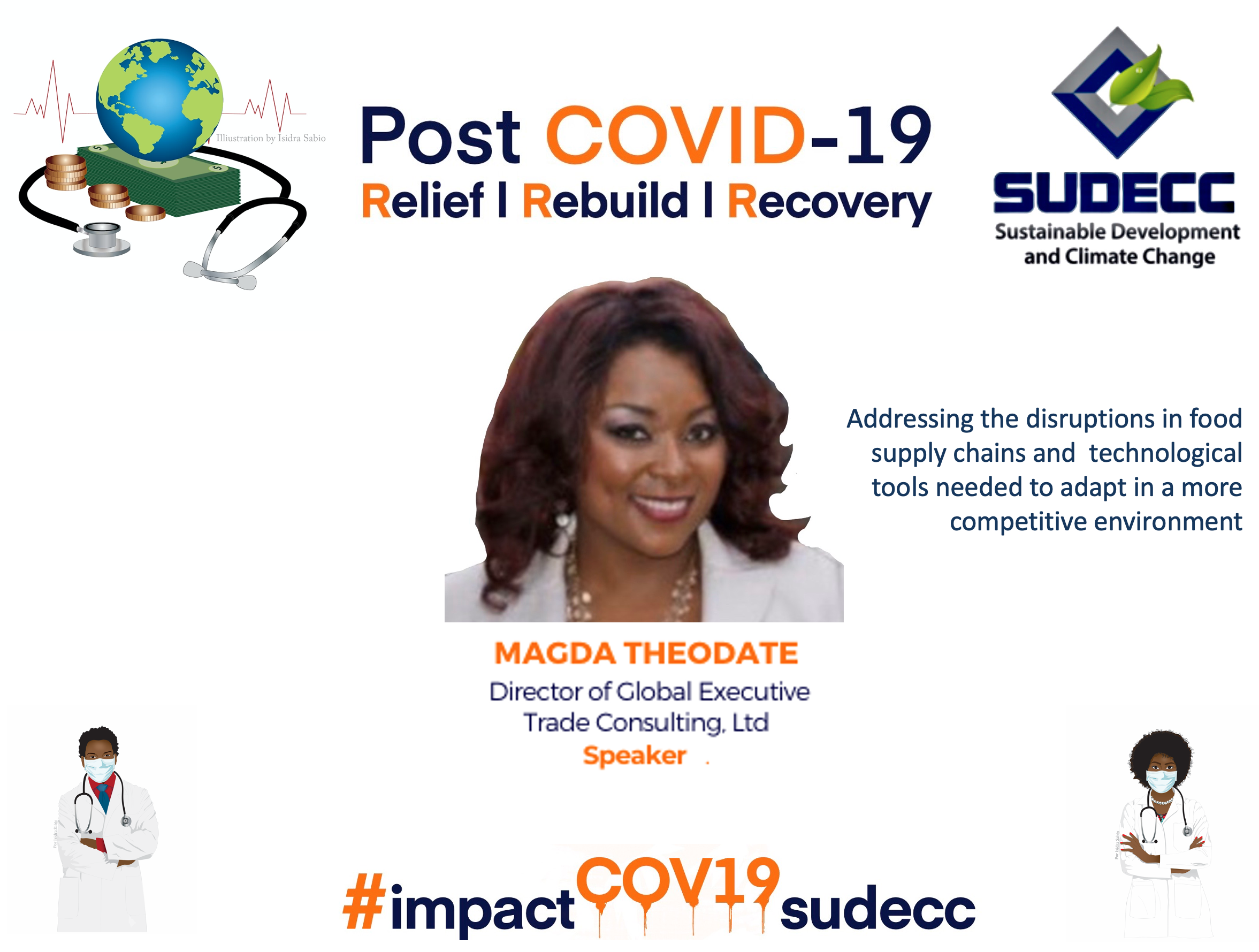
Post COVID-19 Relief | Rebuild | Recovery ii

Sunday 05.31.20
Posted by Julio Guity
 

Post COVID-19 Relief | Rebuild | Recovery

Friday 05.29.20
Posted by Julio Guity
 

Post COVID-19 Relief | Rebuild | Recovery

Friday 05.29.20
Posted by Julio Guity
 

Post COVID-19 Relief | Rebuild | Recovery

Friday 05.29.20
Posted by Julio Guity
 

Post COVID-19 Relief | Rebuild | Recovery

Friday 05.29.20
Posted by Julio Guity
 

COVID-19: Good Governance and Best Practices in the Americas

William Yeffer Vivas-Lloreda is an Attorney licensed in Colombia who currently works for the Municipality of Medellín. In recent years, he served as Profesor at the Technological University of Choco (UTCH). He is a J.S.D. candidate at the University of Lomas de Zamora in Argentina and has a Master in Constitutional Procedural Law and Human Rights from UTCH.

Sunday 05.03.20
Posted by Julio Guity
 

COVID-19: Good Governance and Best Practices in the Americas

Mr. Donald II is recognized nationally as an innovative public sector administrator, currently serving as the City Manager for the newly formed City of South Fulton (May 2017). He also serves on the National Council of Presidents for the National Forum for Black Public Administrators. Prior to serving in his current role, he is credited with the historic turnaround of the District of Columbia's Labor and Employment system during his time as the District's State Labor Administrator.

Friday 05.01.20
Posted by Julio Guity
 

COVID-19: Good Governance and Best Practices in the Americas

Mr. Otaviano Canuto is a Senior Fellow at the Policy Center for the New South and non-resident Senior Fellow at Brookings. He is also the former Vice President and Executive Director at the World Bank, Executive Director at the International Monetary Fund, and Vice President at the Inter-American Development Bank.

Thursday 04.30.20
Posted by Julio Guity
 

COVID-19: Addressing its Impact in the Most Vulnerable Communities in Latin America and the Caribbean.

COVID-19: Addressing its Impact in the Most Vulnerable Communities in Latin America and the Caribbean from SUDECC on Vimeo.

Friday 04.10.20
Posted by Julio Guity
 

COVID-19: Addressing its Impact in the Most Vulnerable Communities in Latin America and the Caribbean

Friday 04.10.20
Posted by Julio Guity
 

COVID-19: Addressing its Impact in the Most Vulnerable Communities in Latin America and the Caribbean

Friday 04.10.20
Posted by Julio Guity
 

COVID-19: Addressing its Impact in the Most Vulnerable Communities in Latin America and the Caribbean

Friday 04.10.20
Posted by Julio Guity
 

COVID-19: Addressing its Impact in the Most Vulnerable Communities in Latin America and the Caribbean

Friday 04.10.20
Posted by Julio Guity
 

2020 U.S. Census: Emancipation Day, Earth Day & Garifuna Settlement Day Celebration

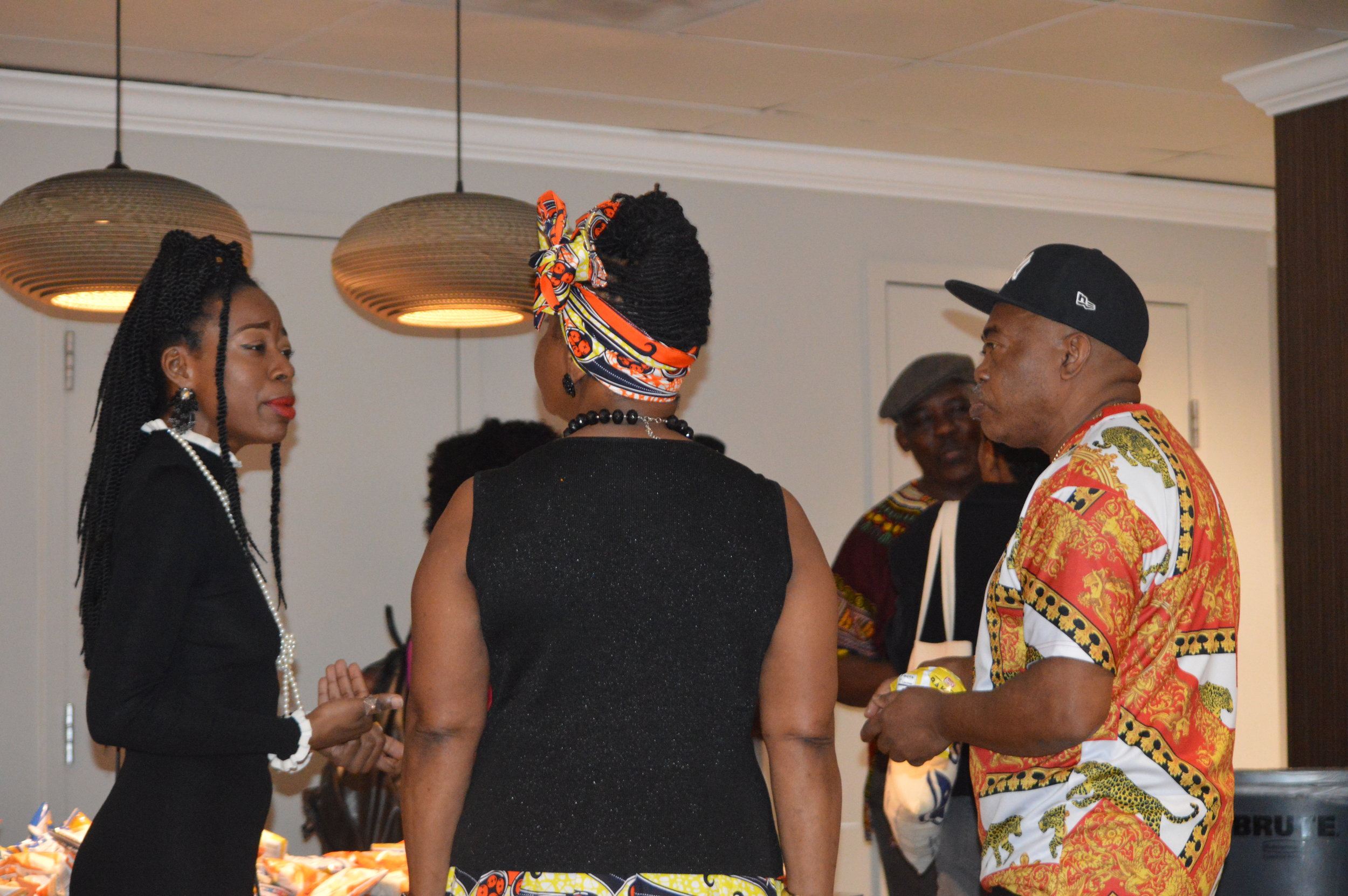
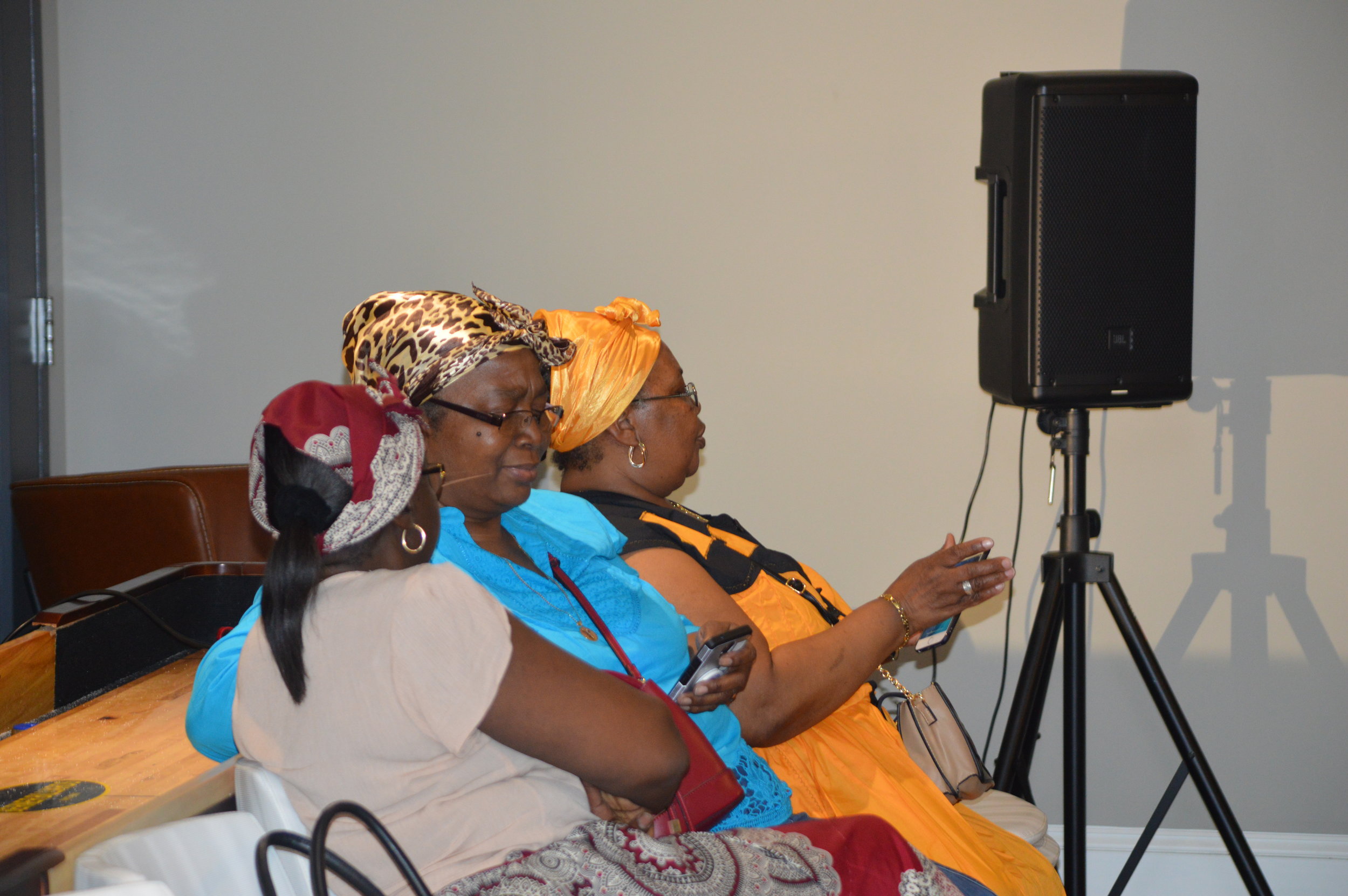
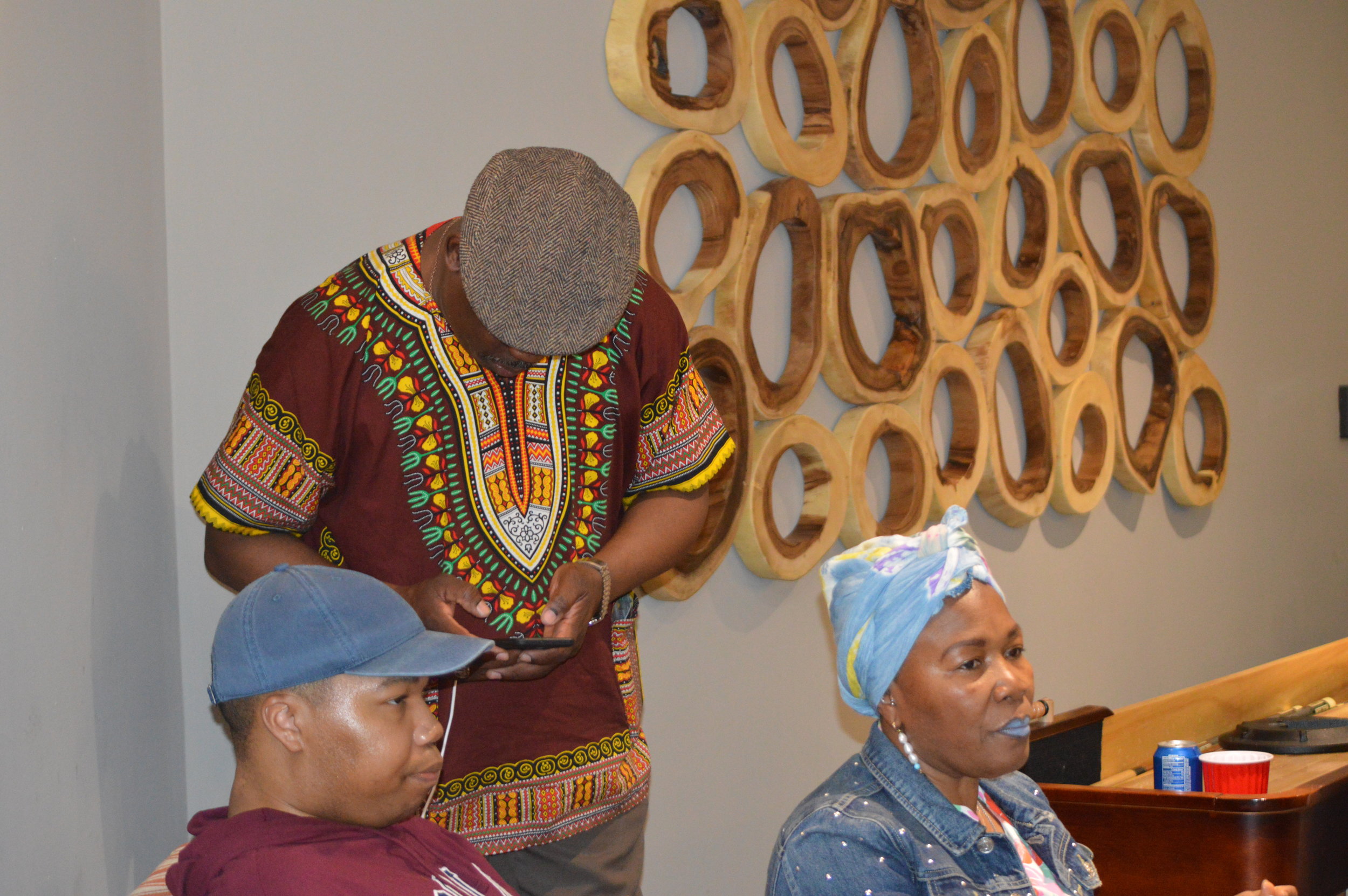
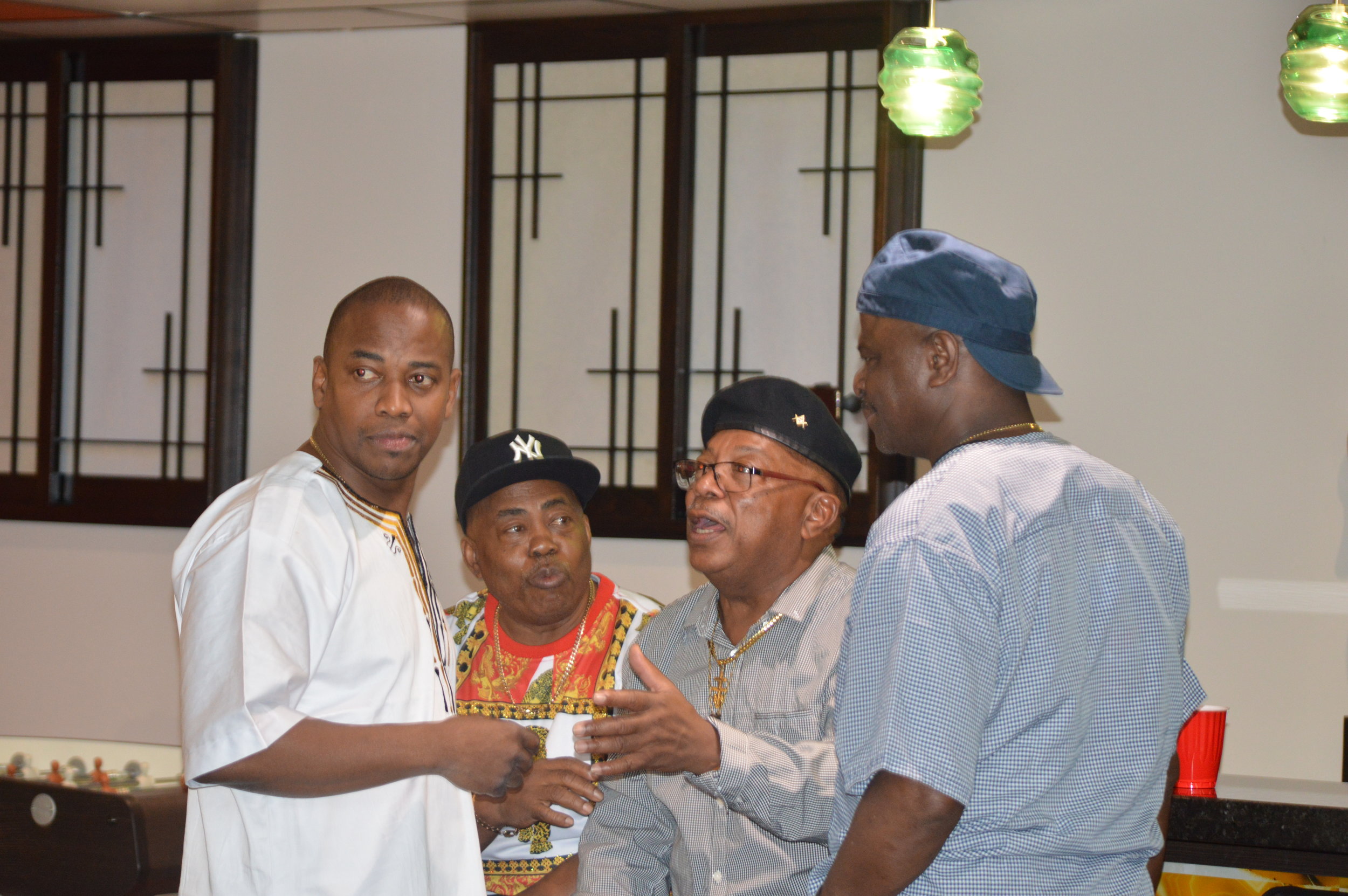
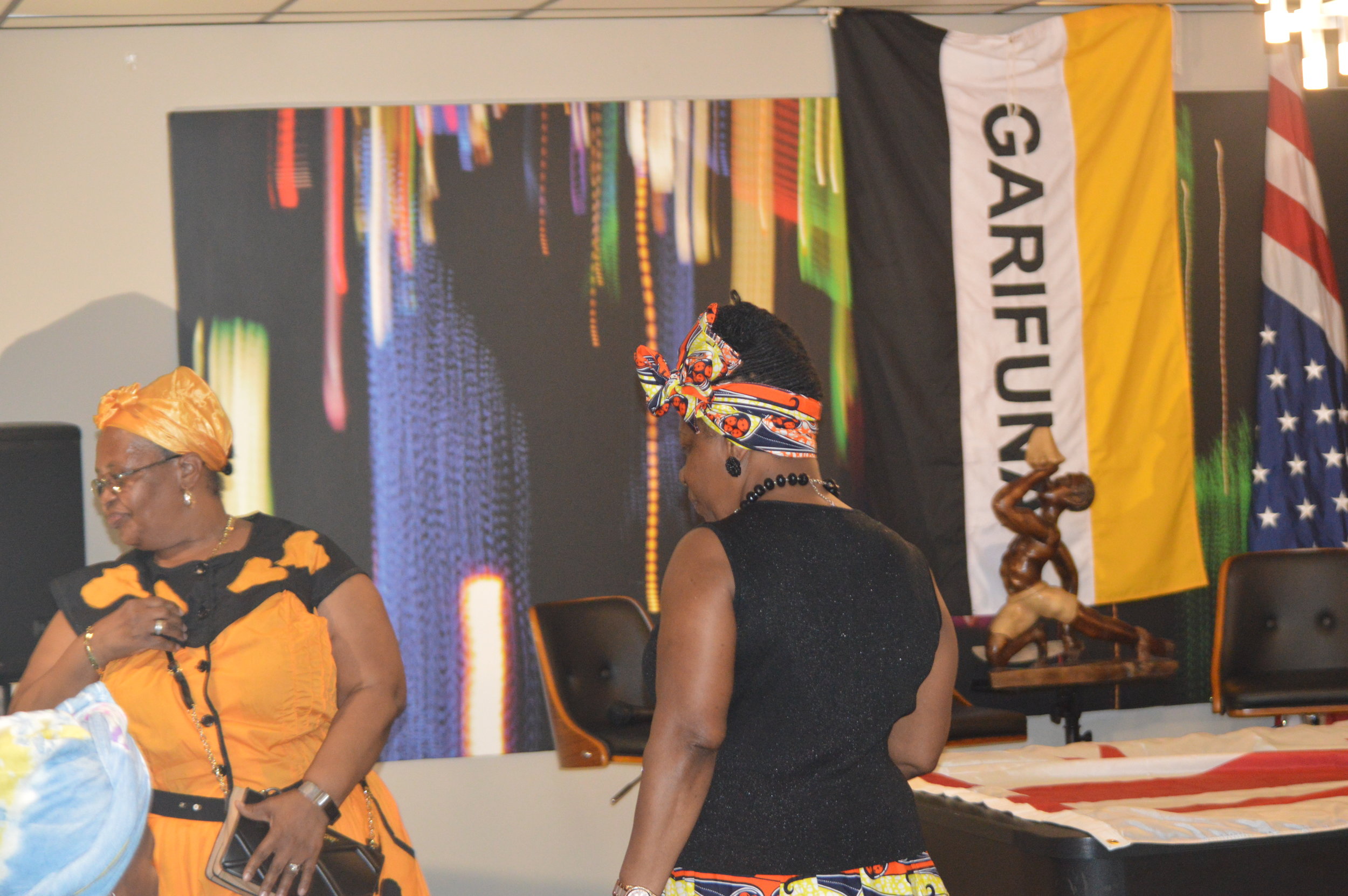
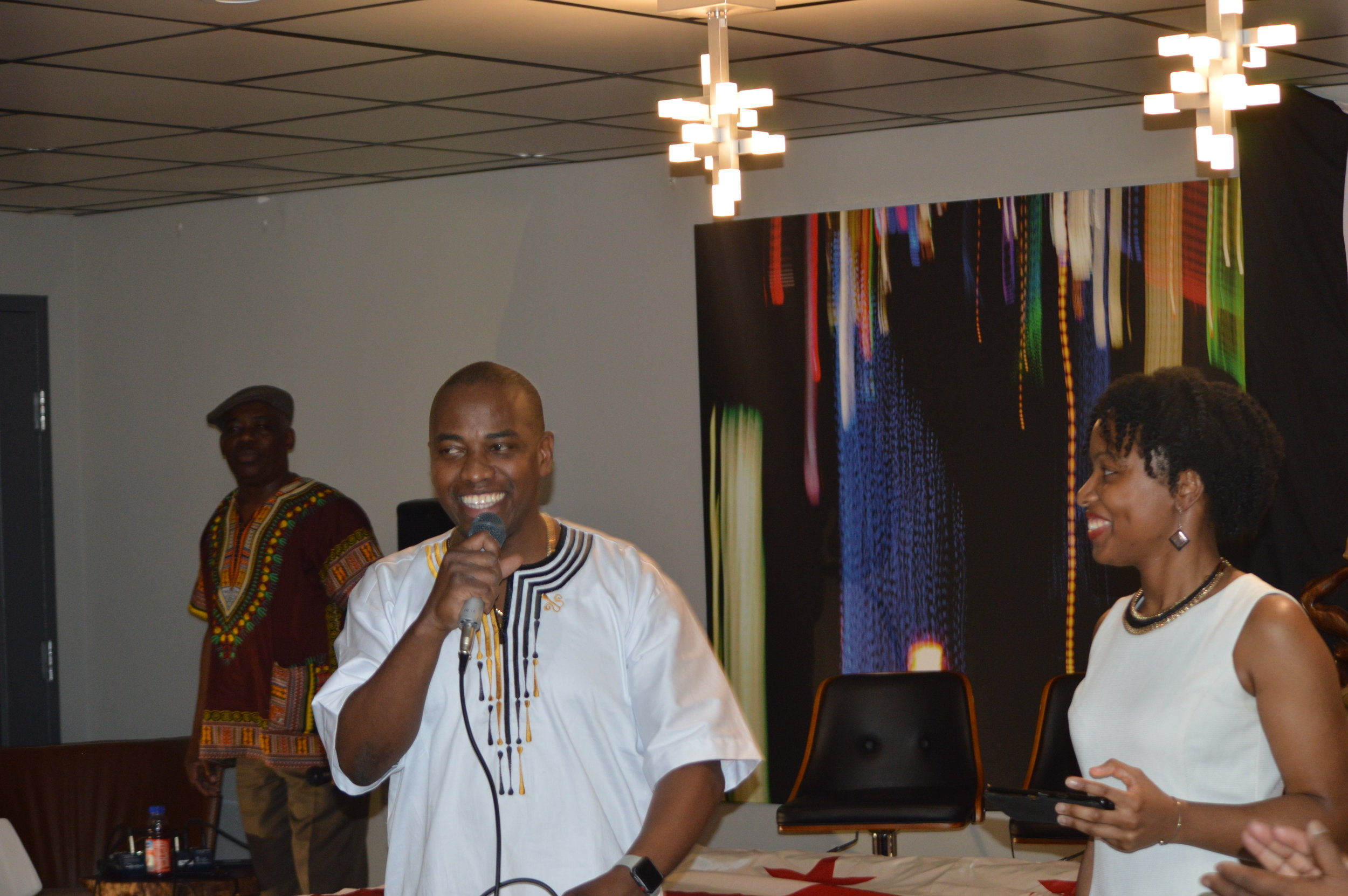
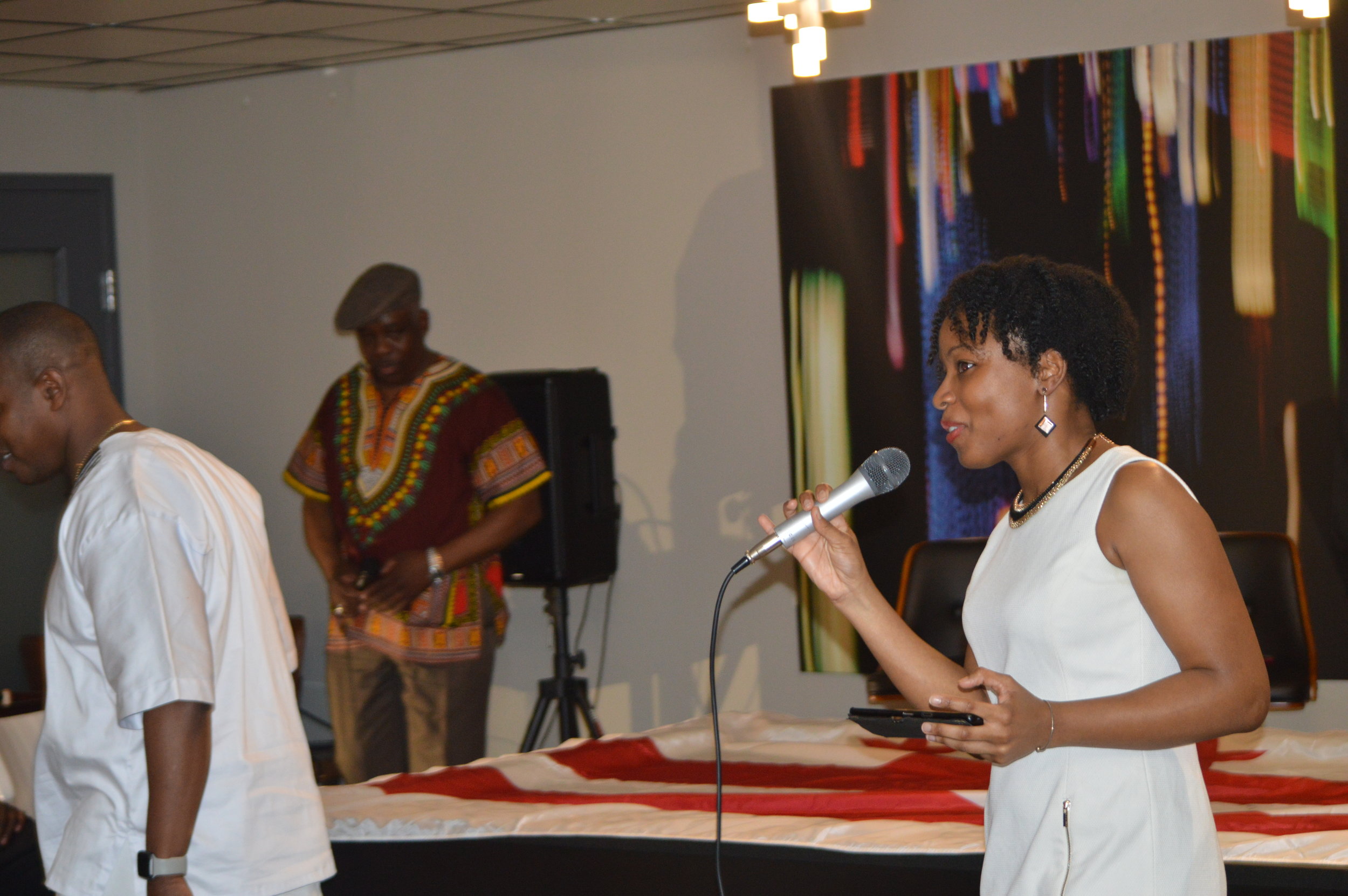
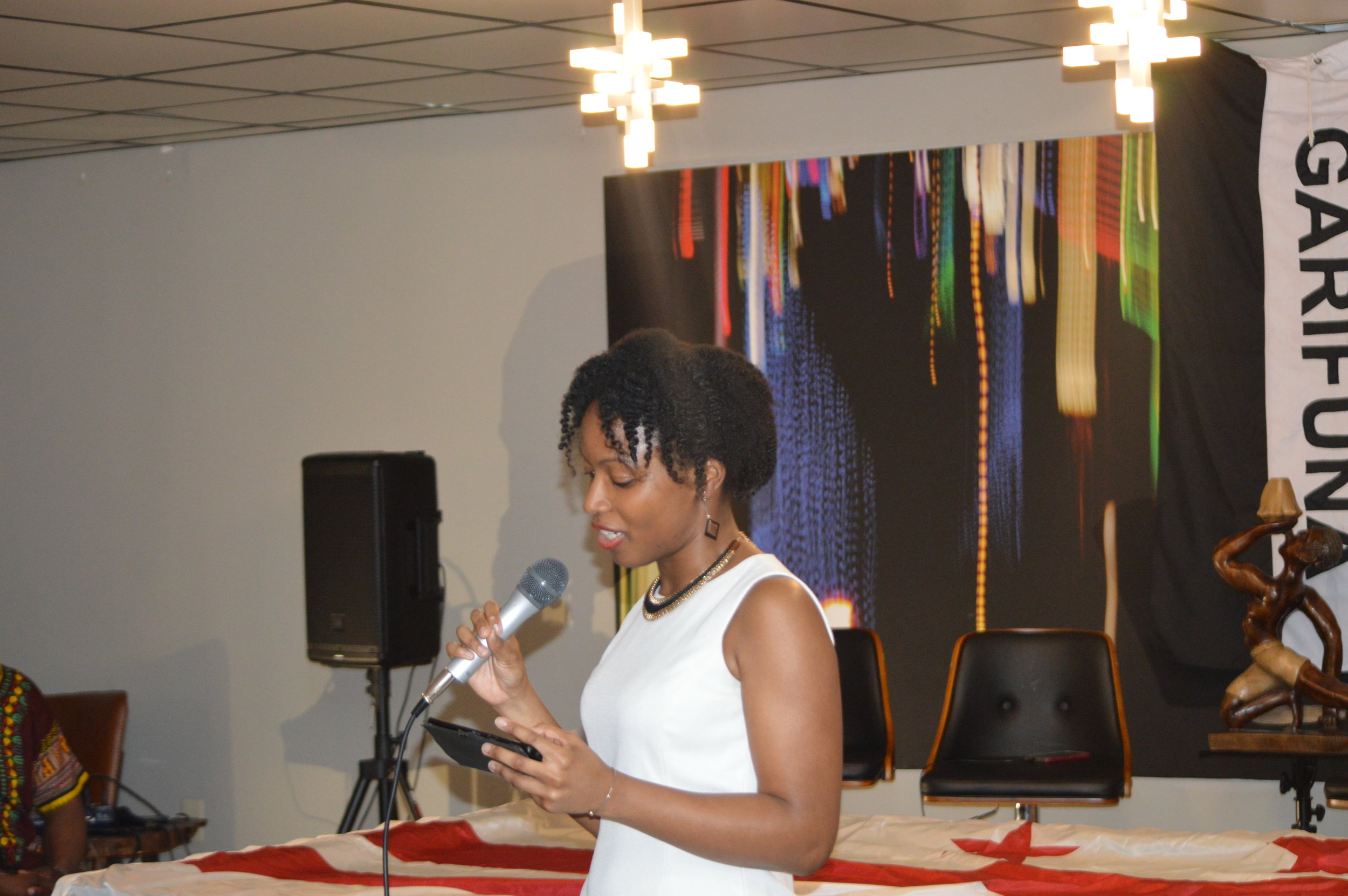
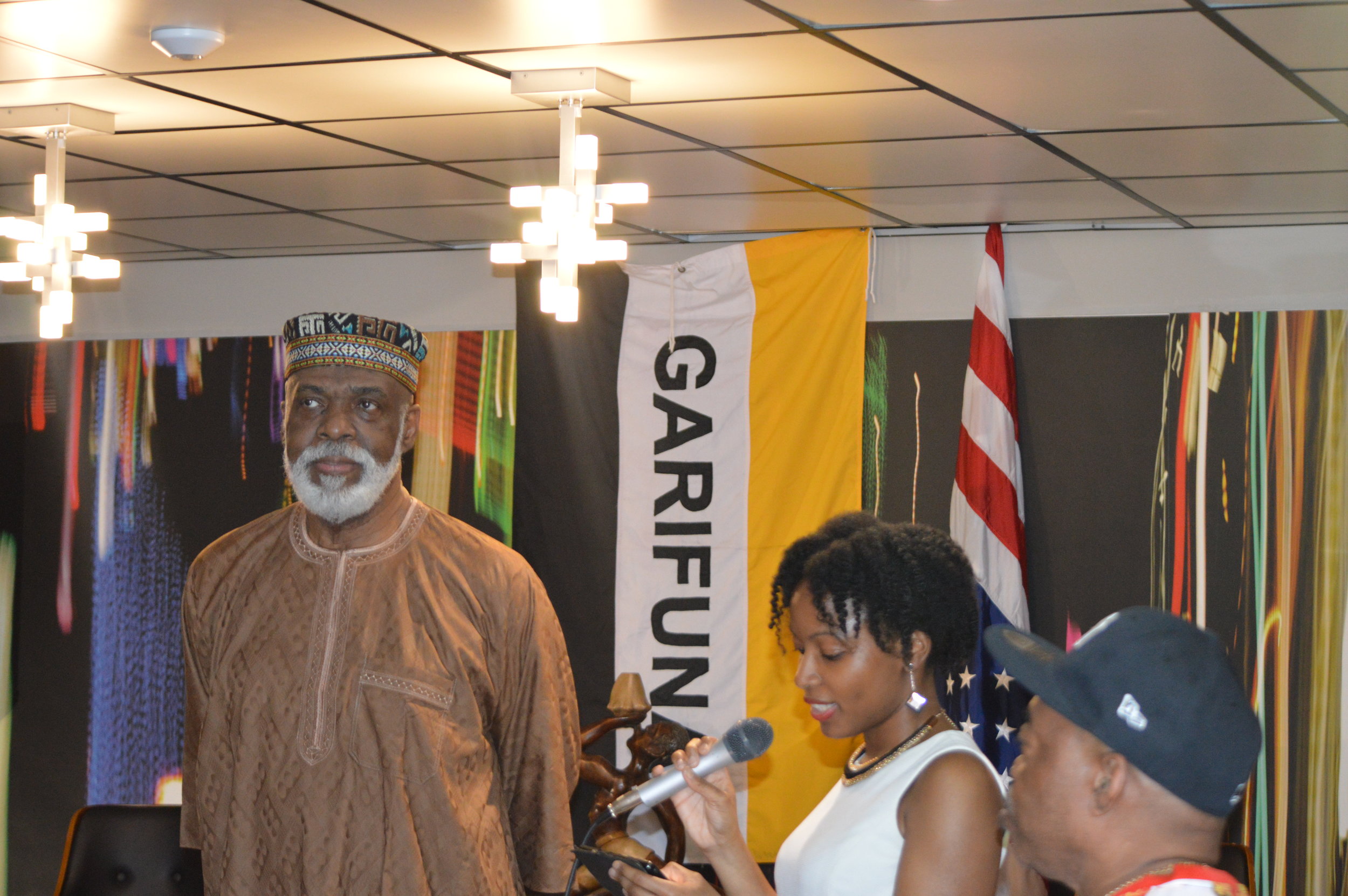
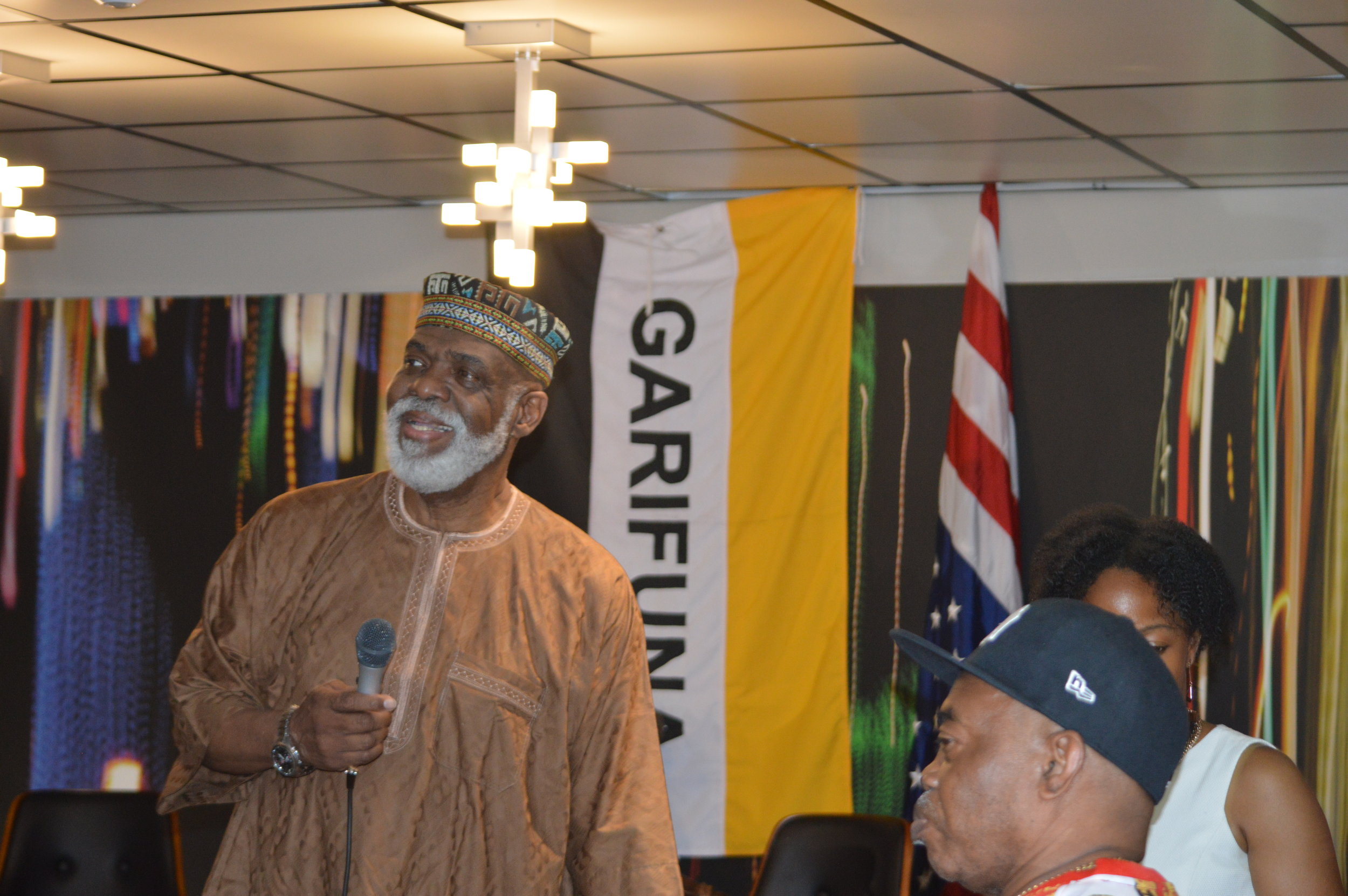
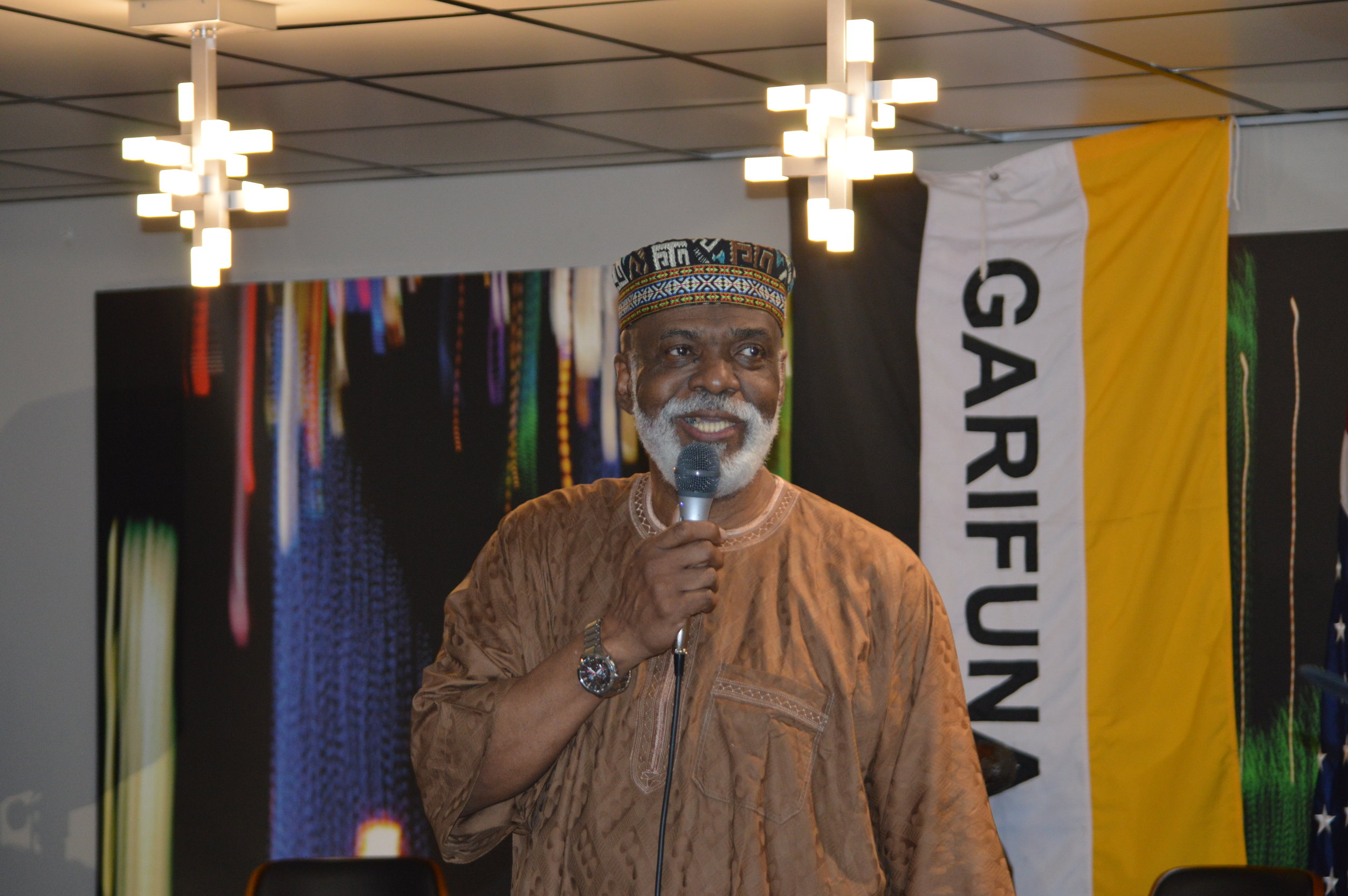
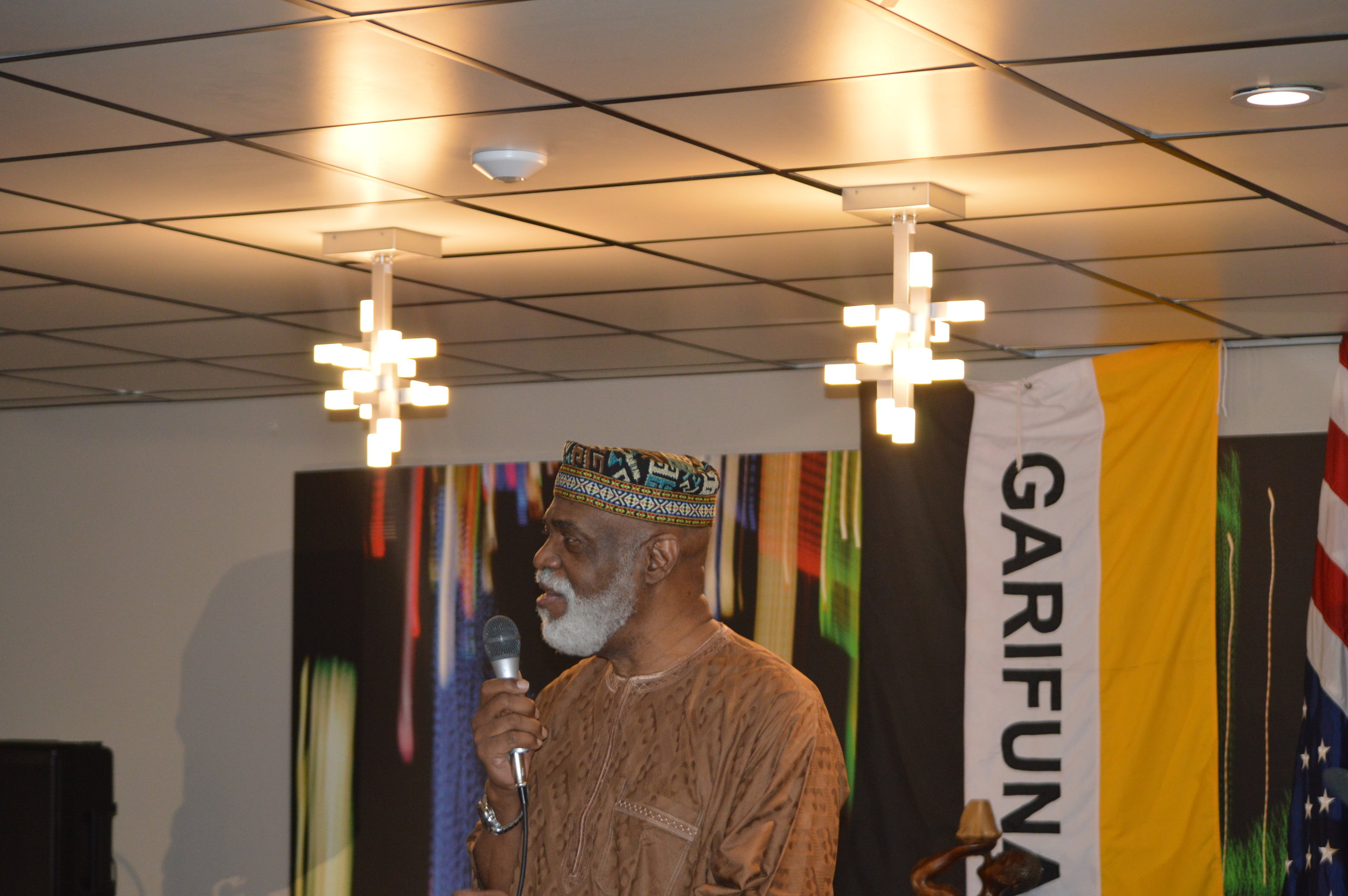
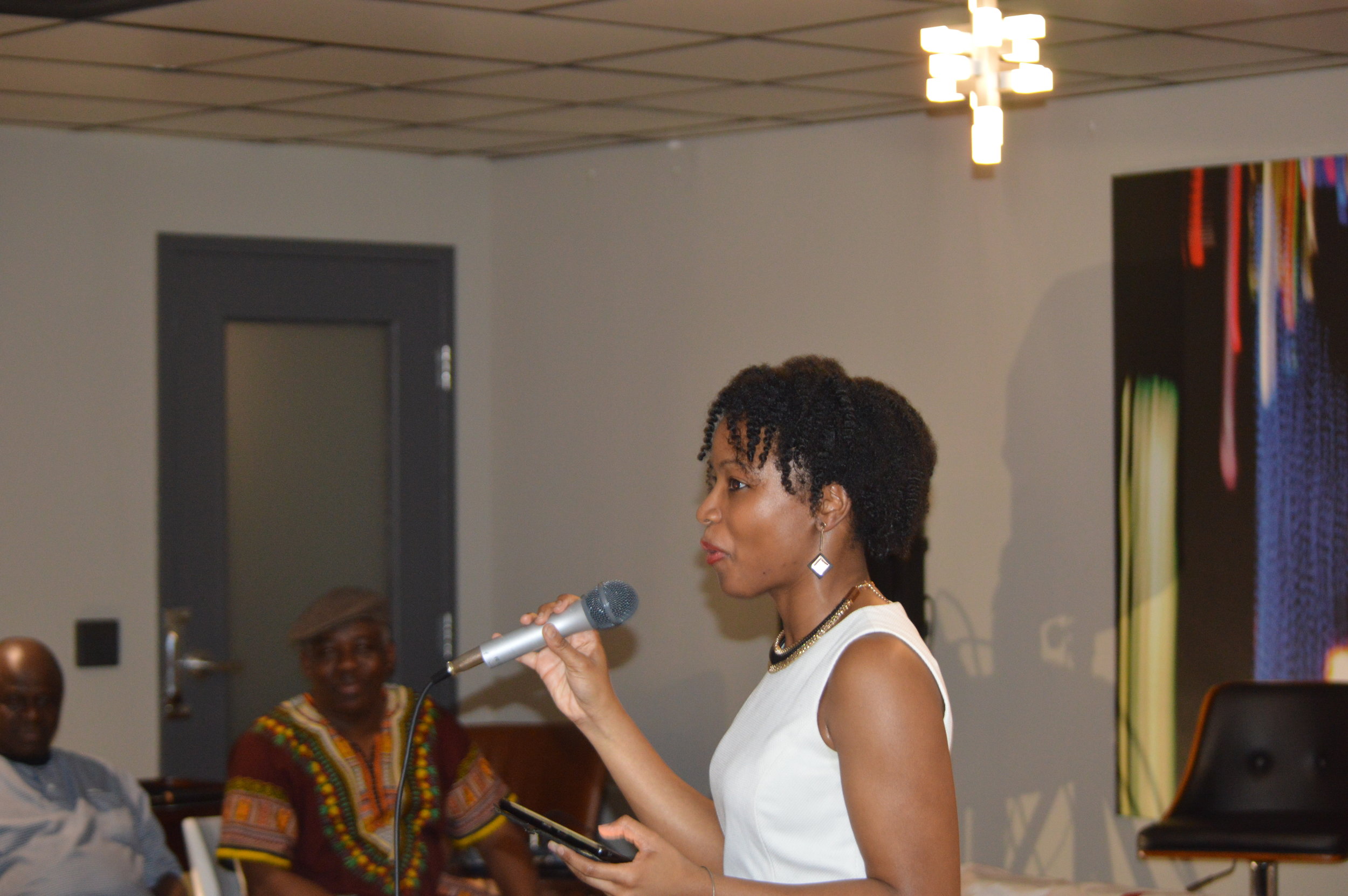
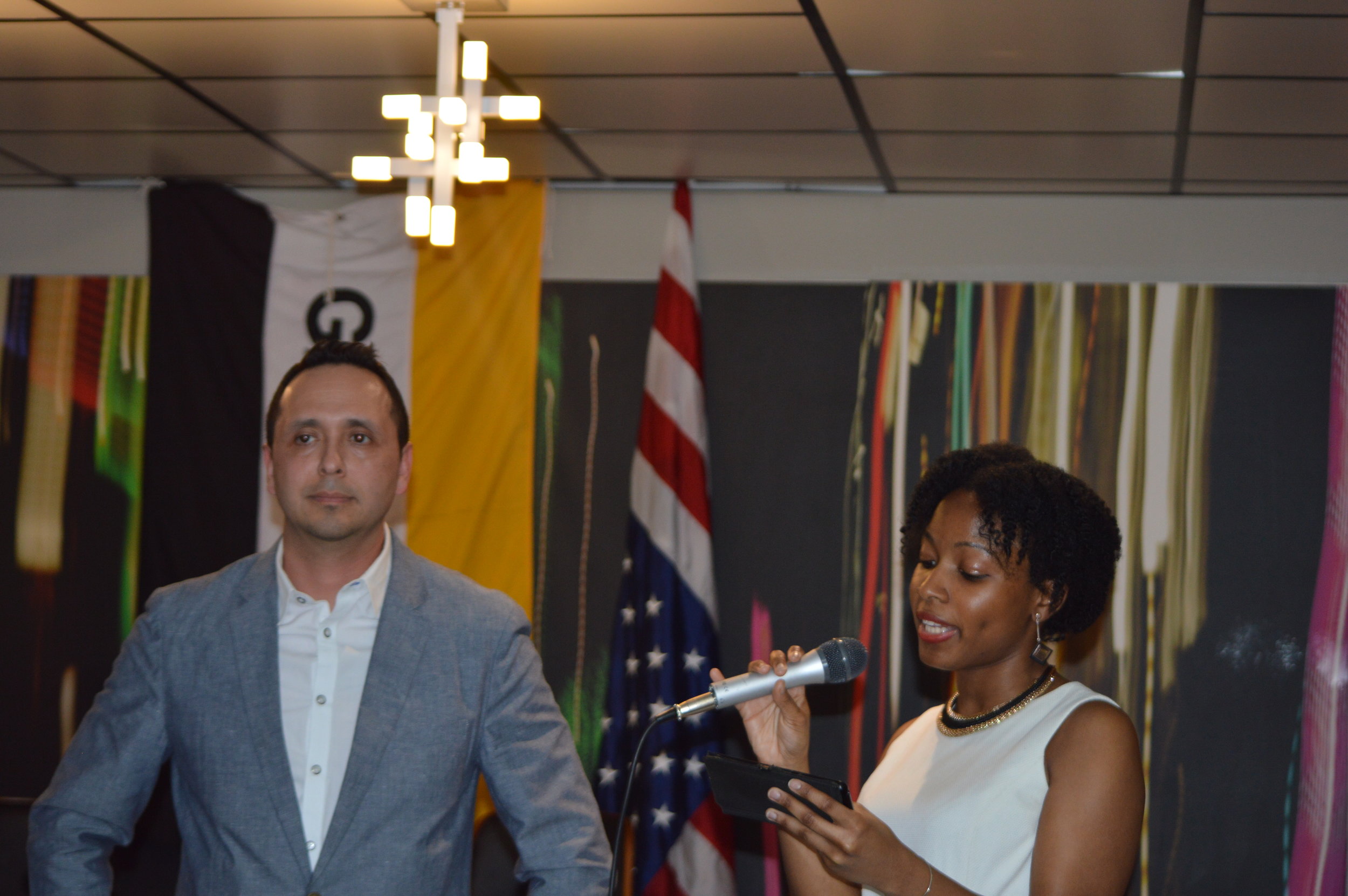
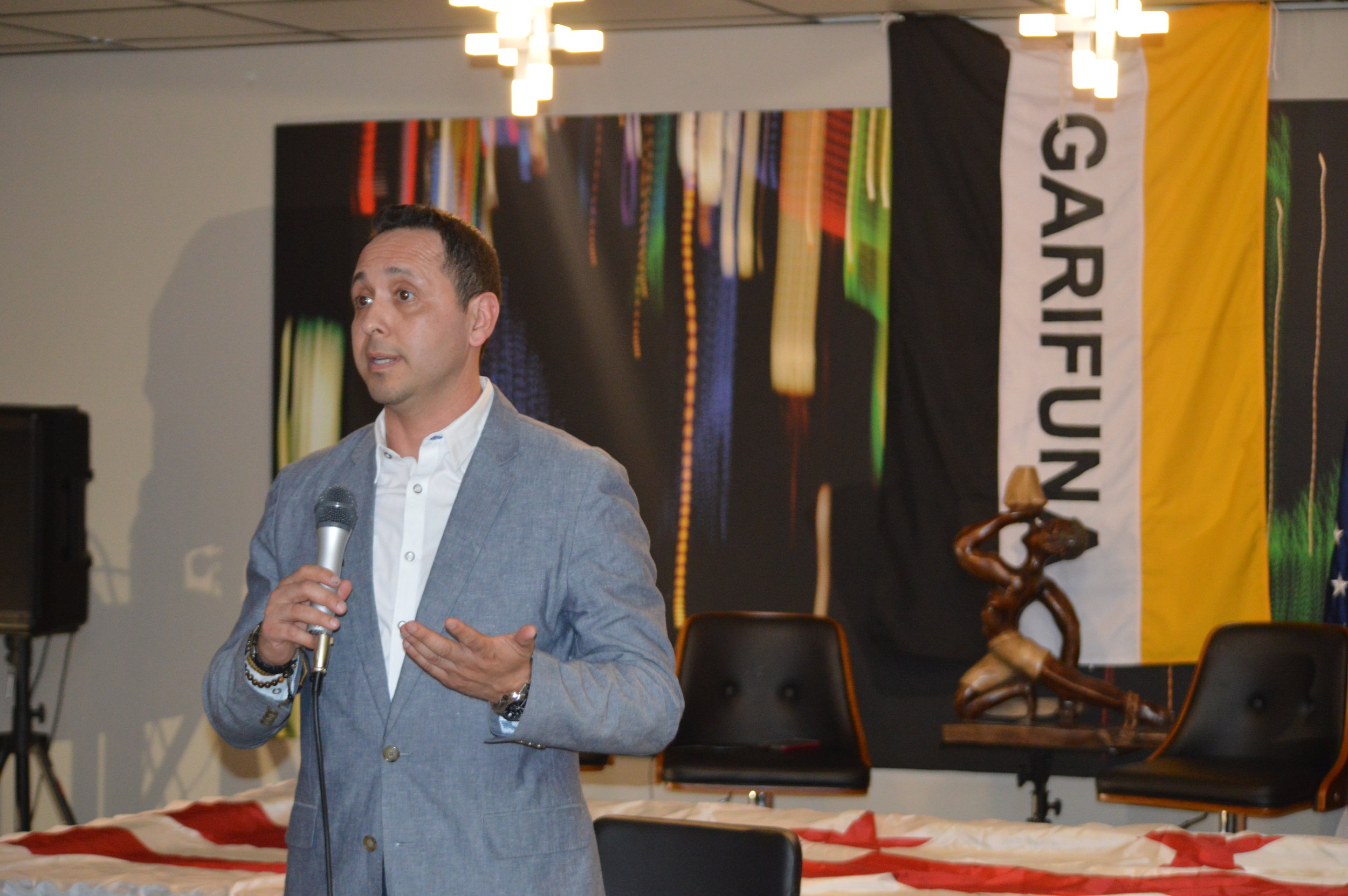
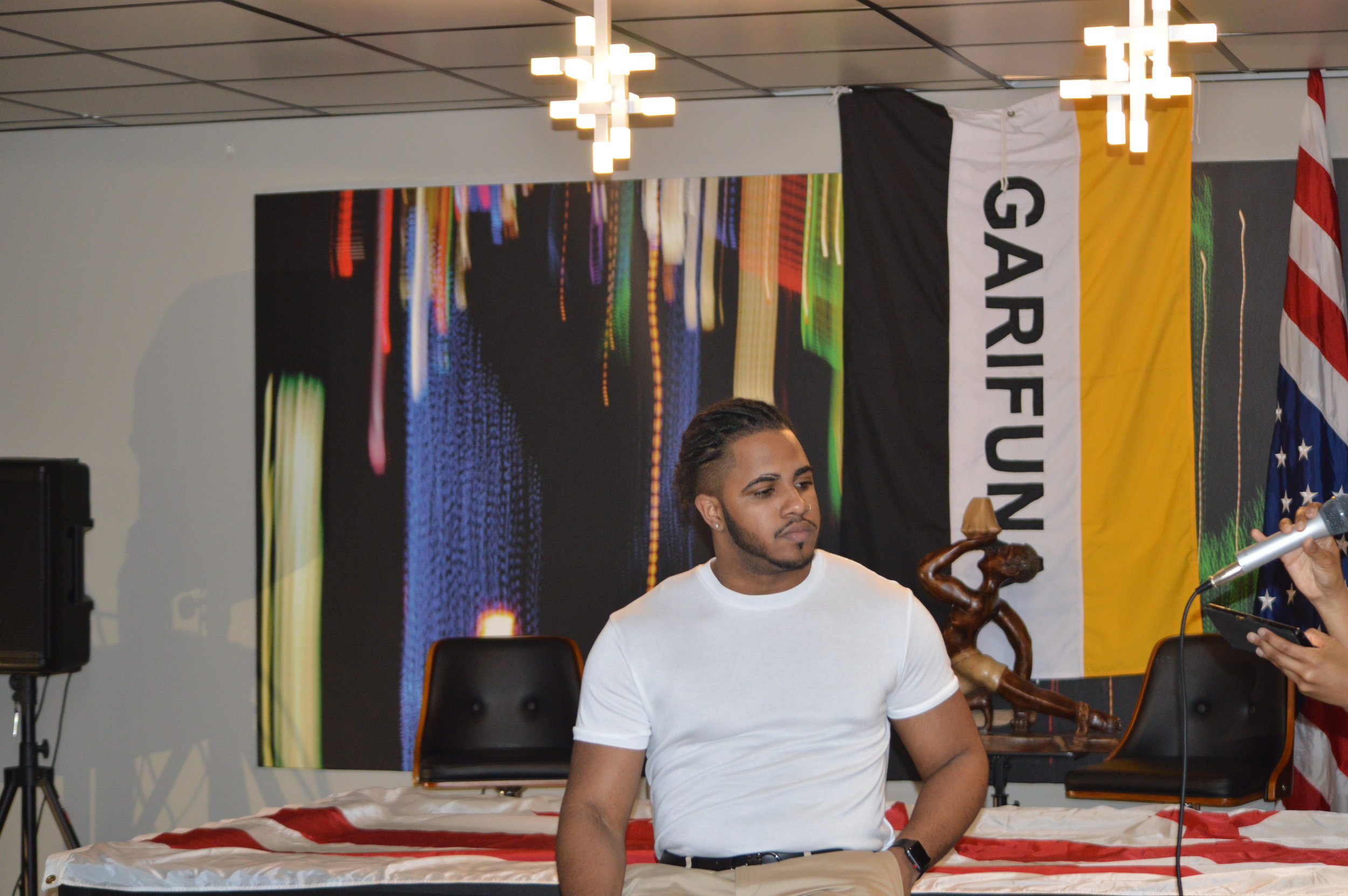
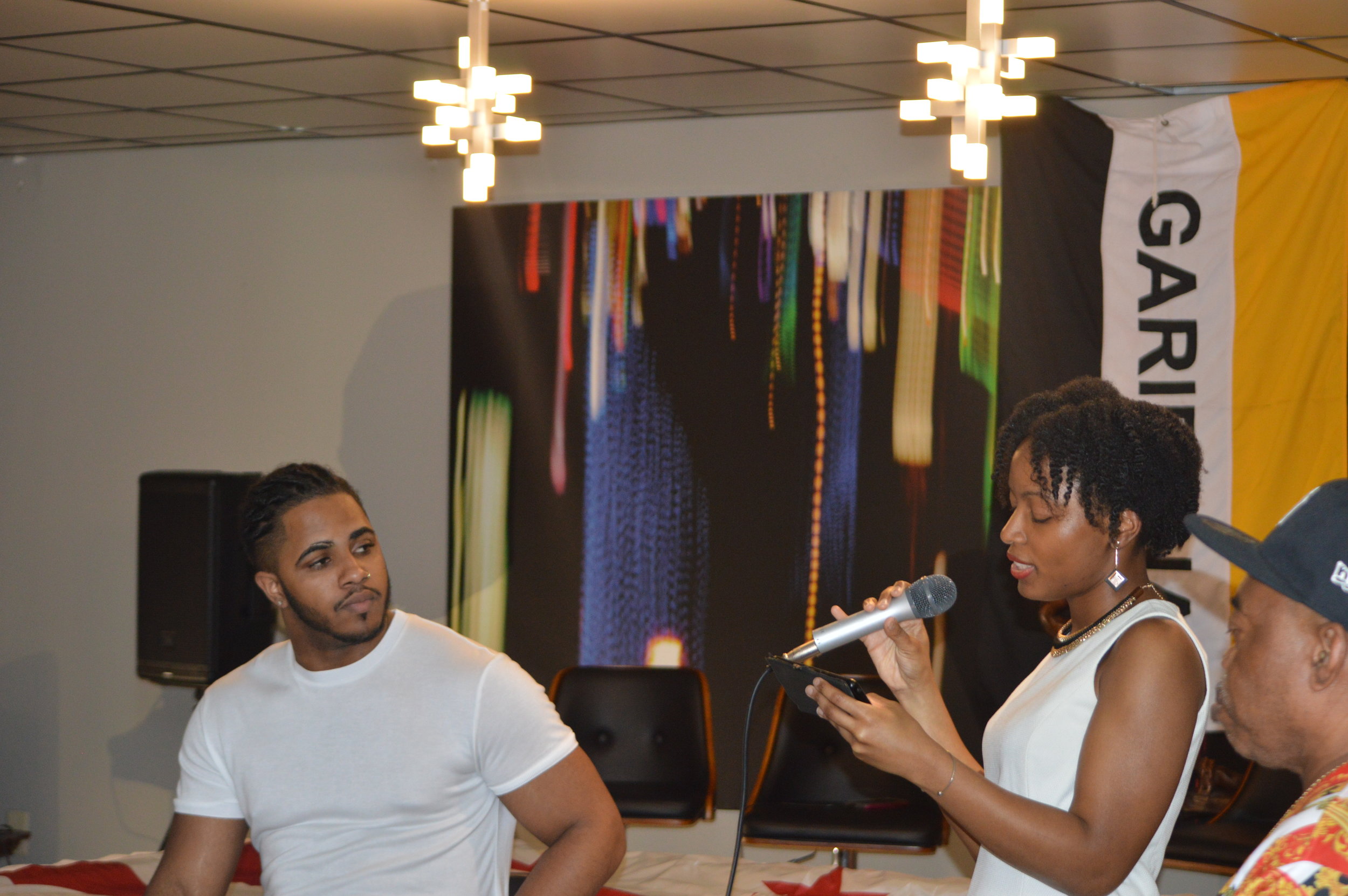
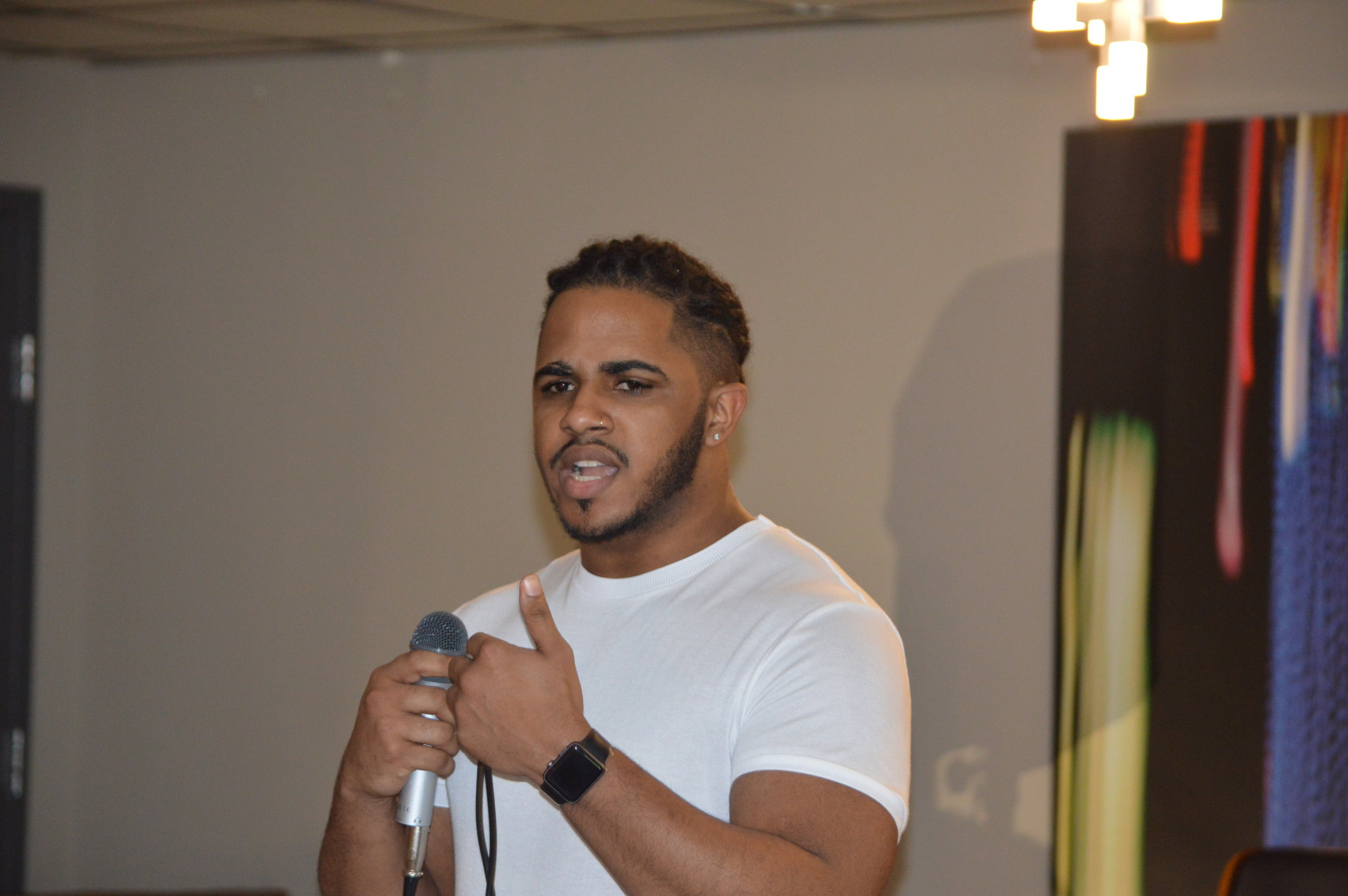
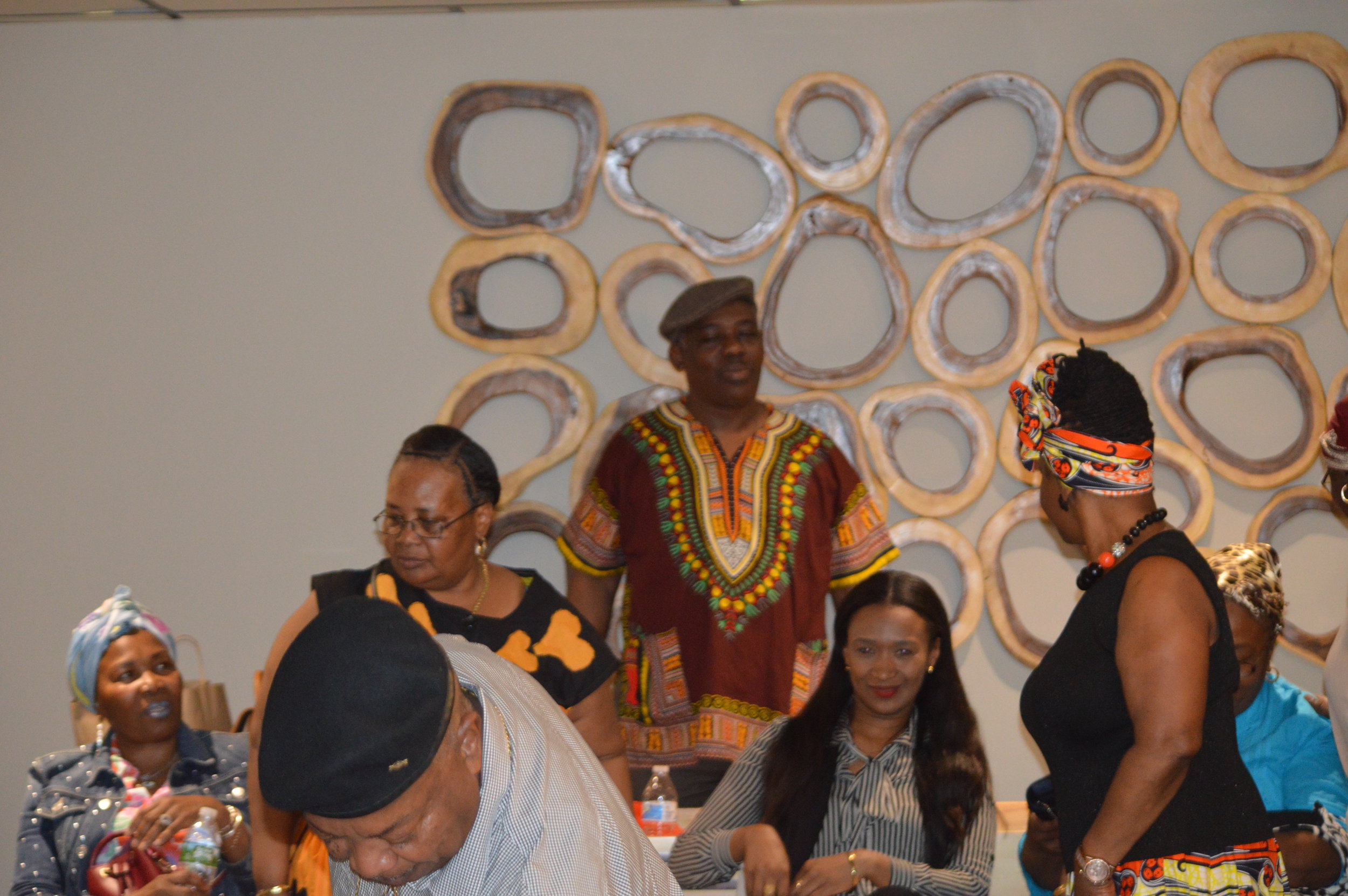
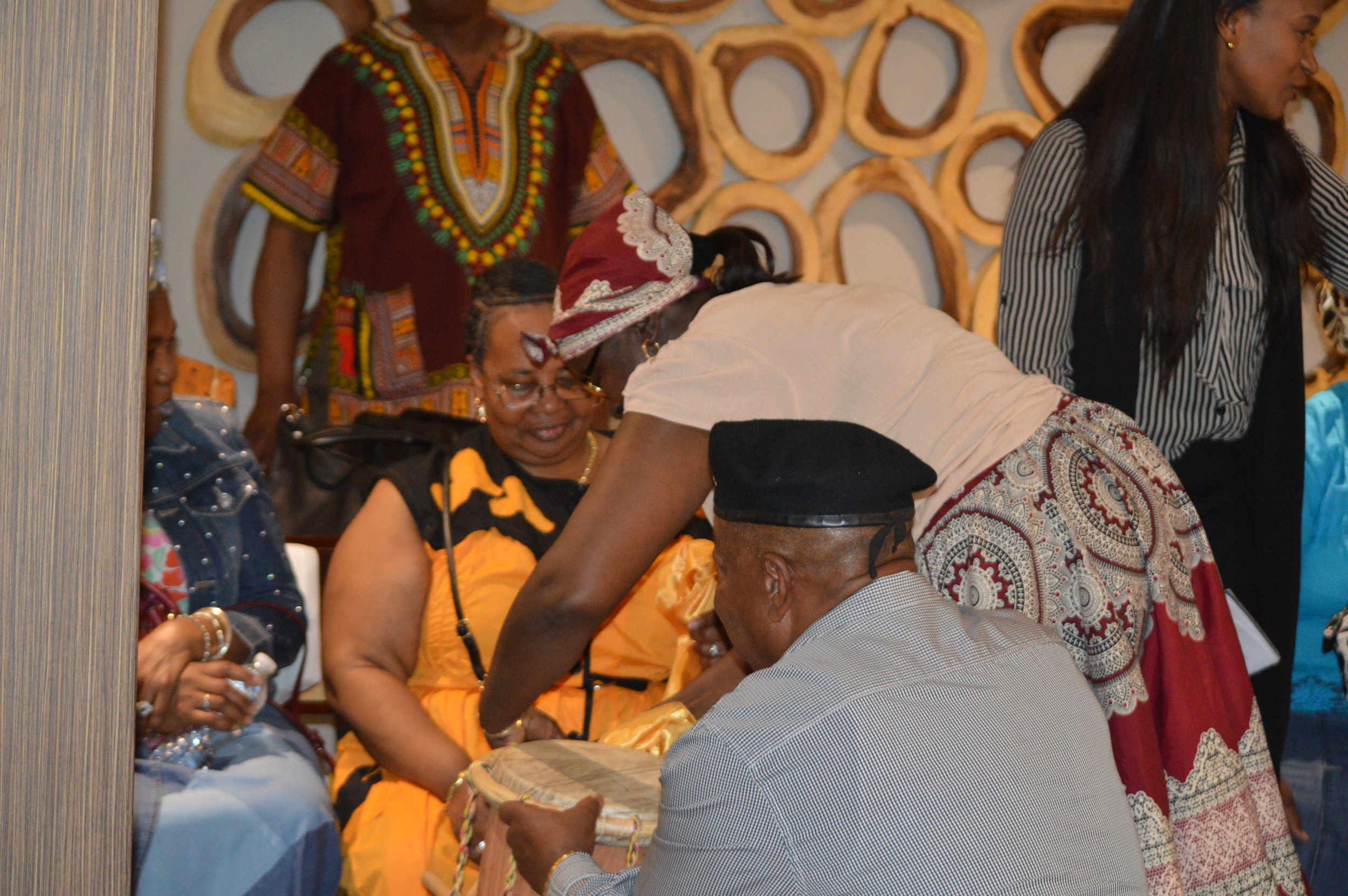
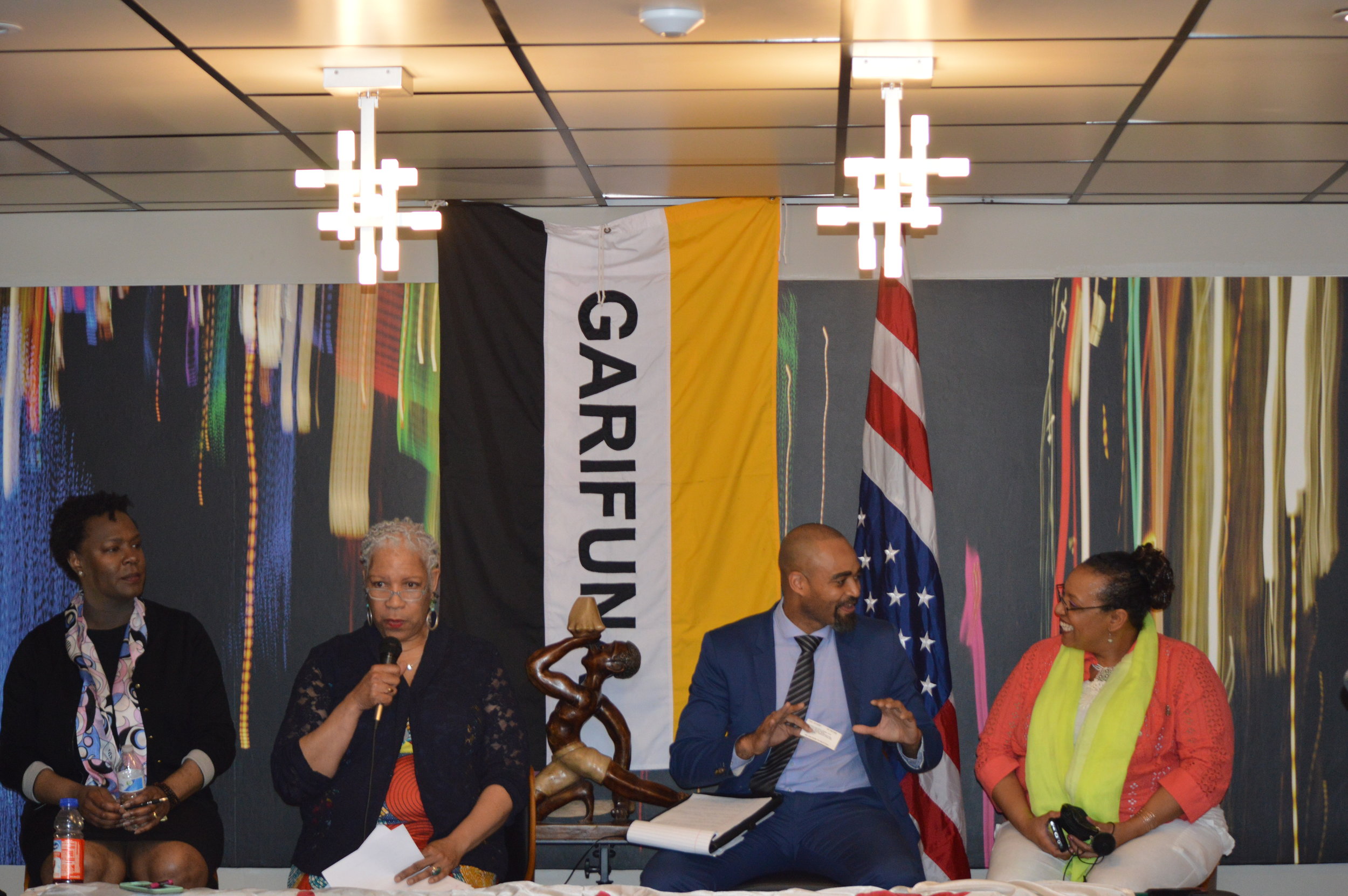
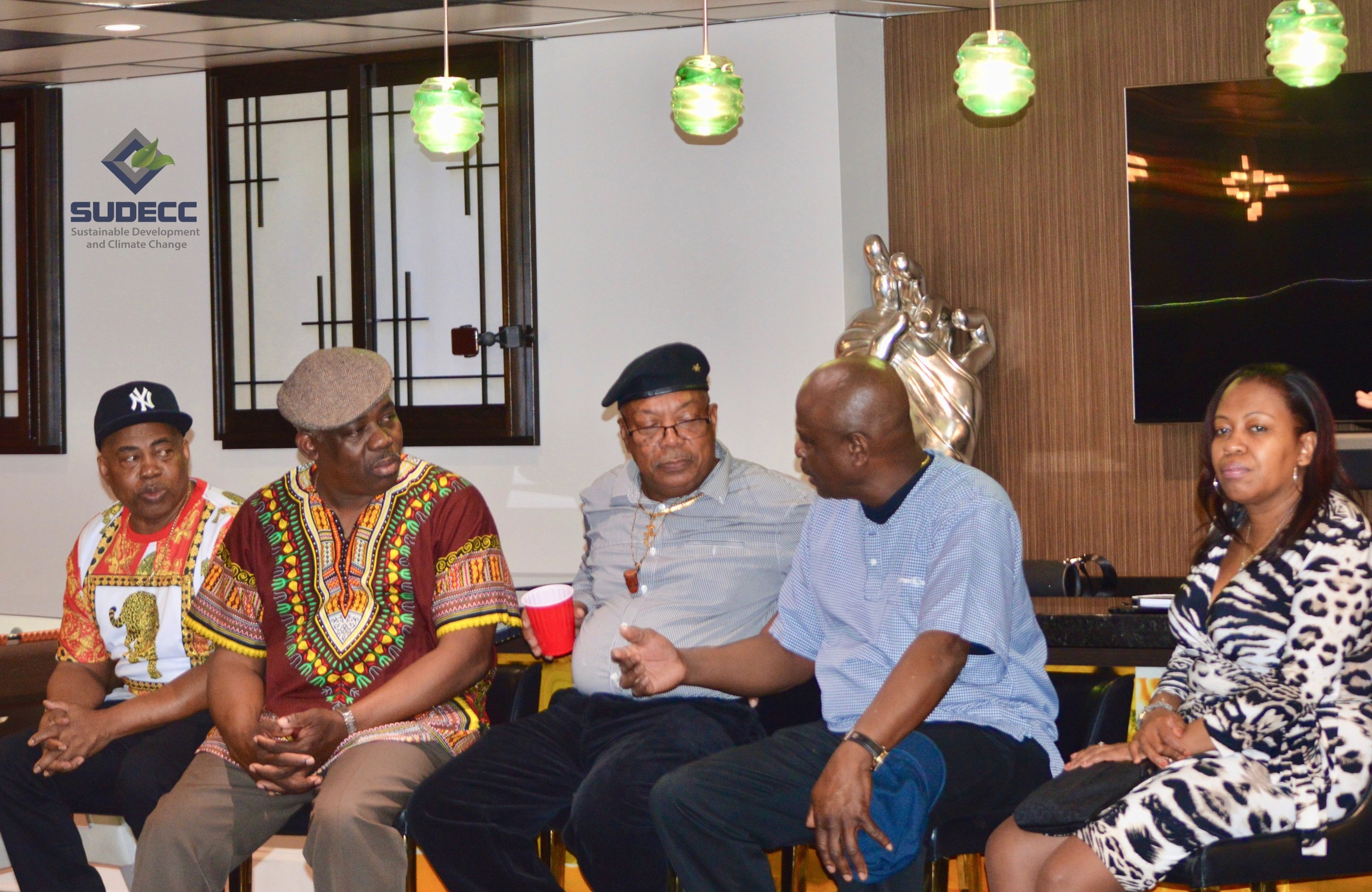
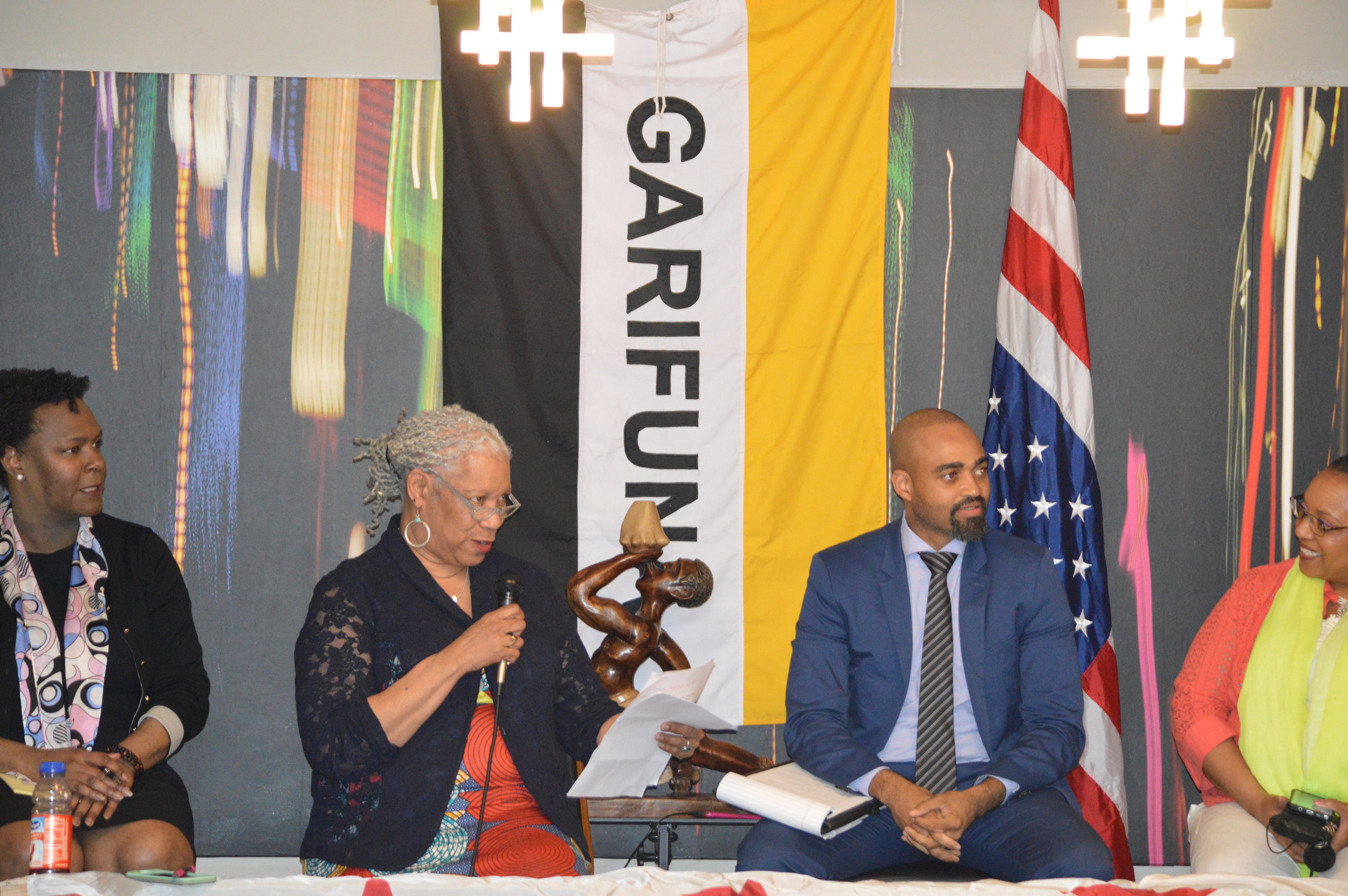
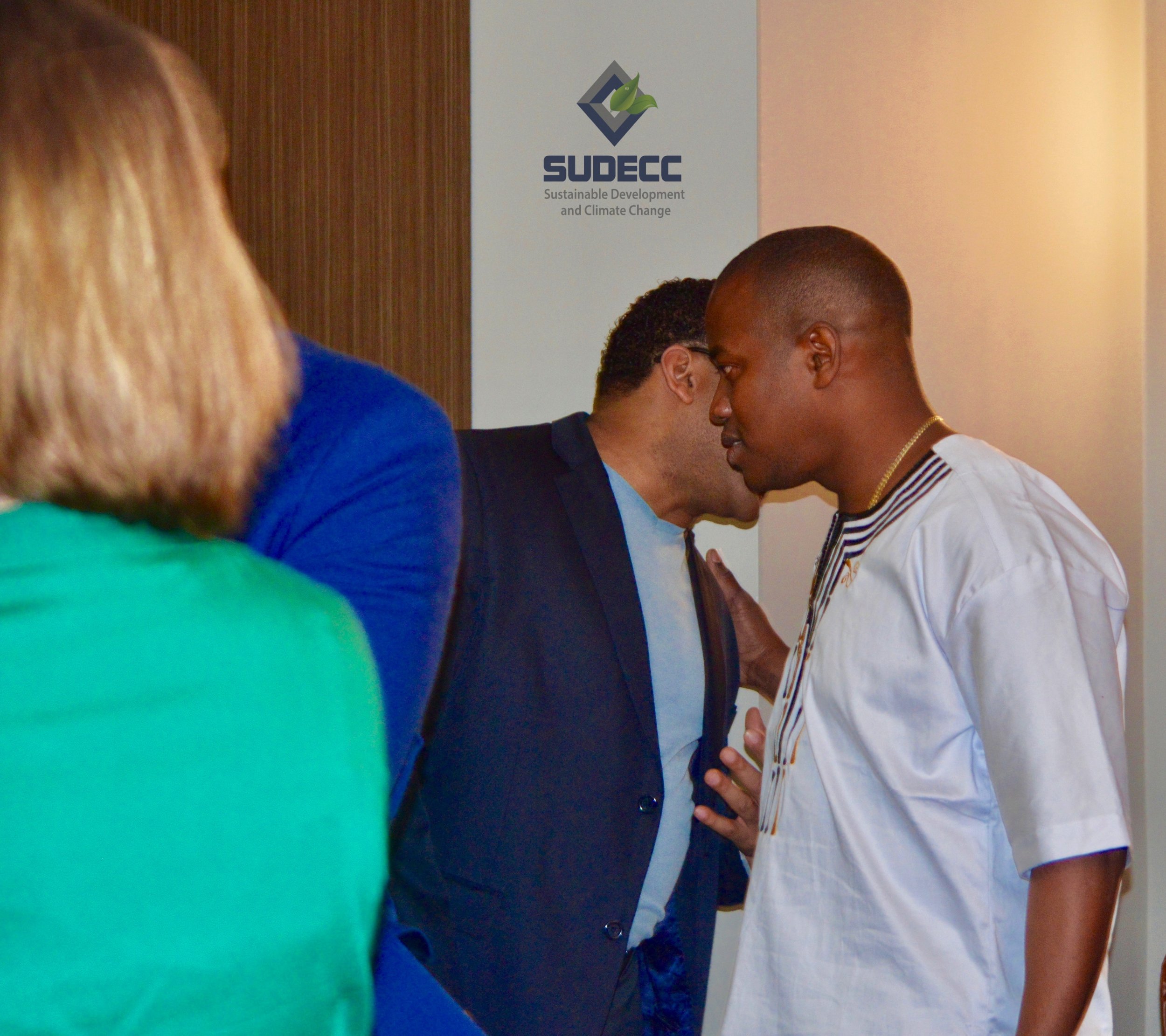
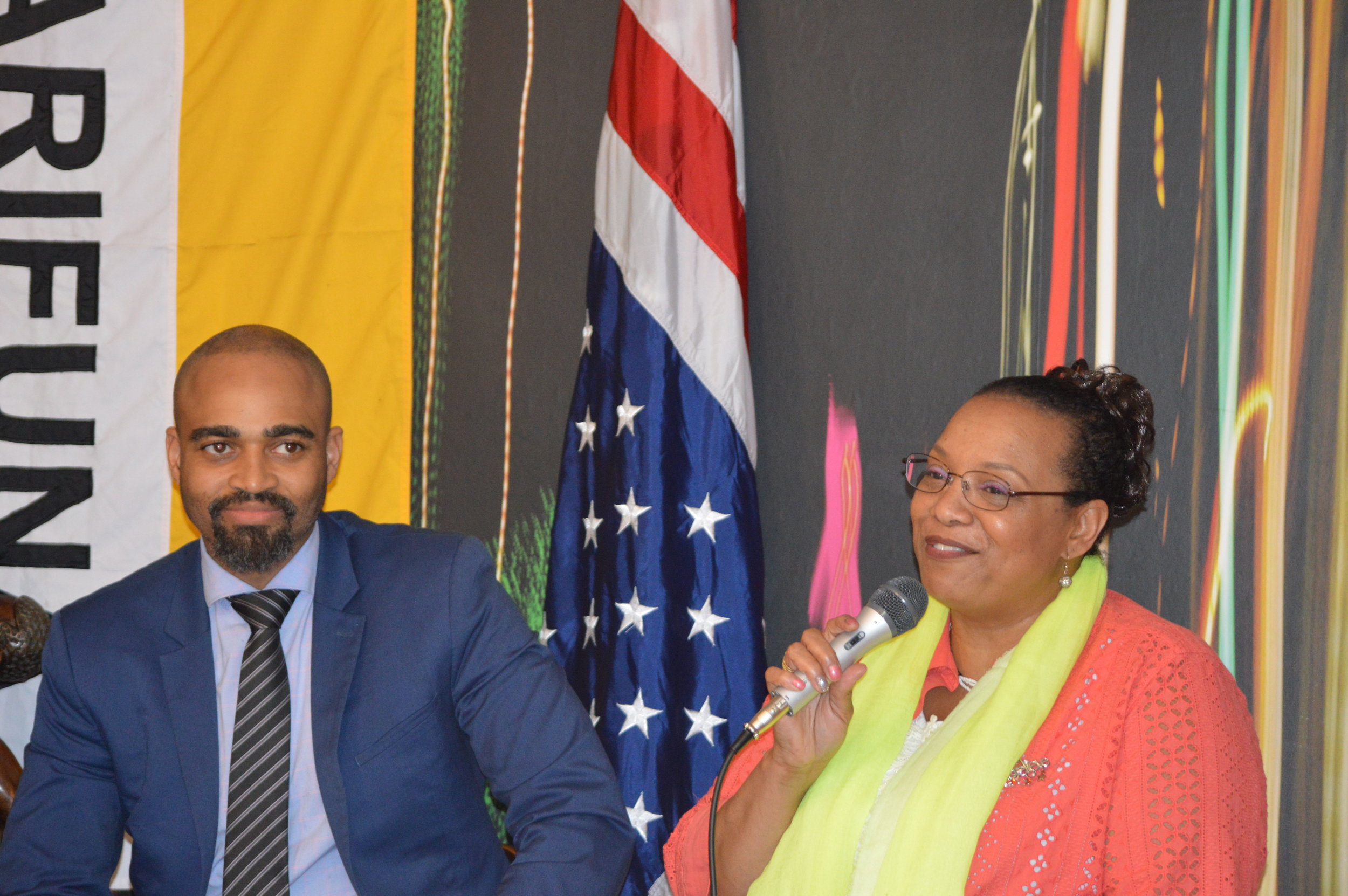
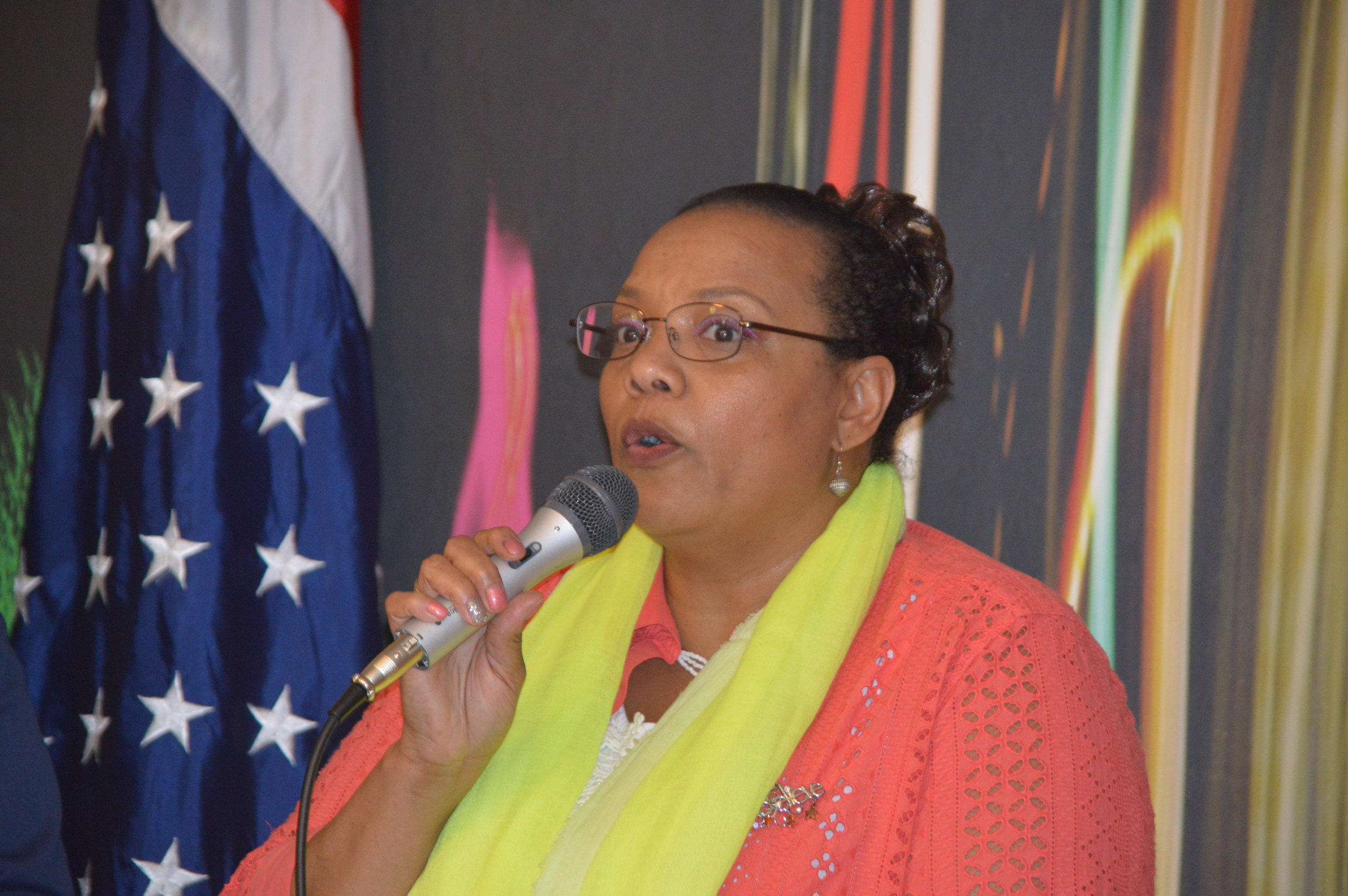
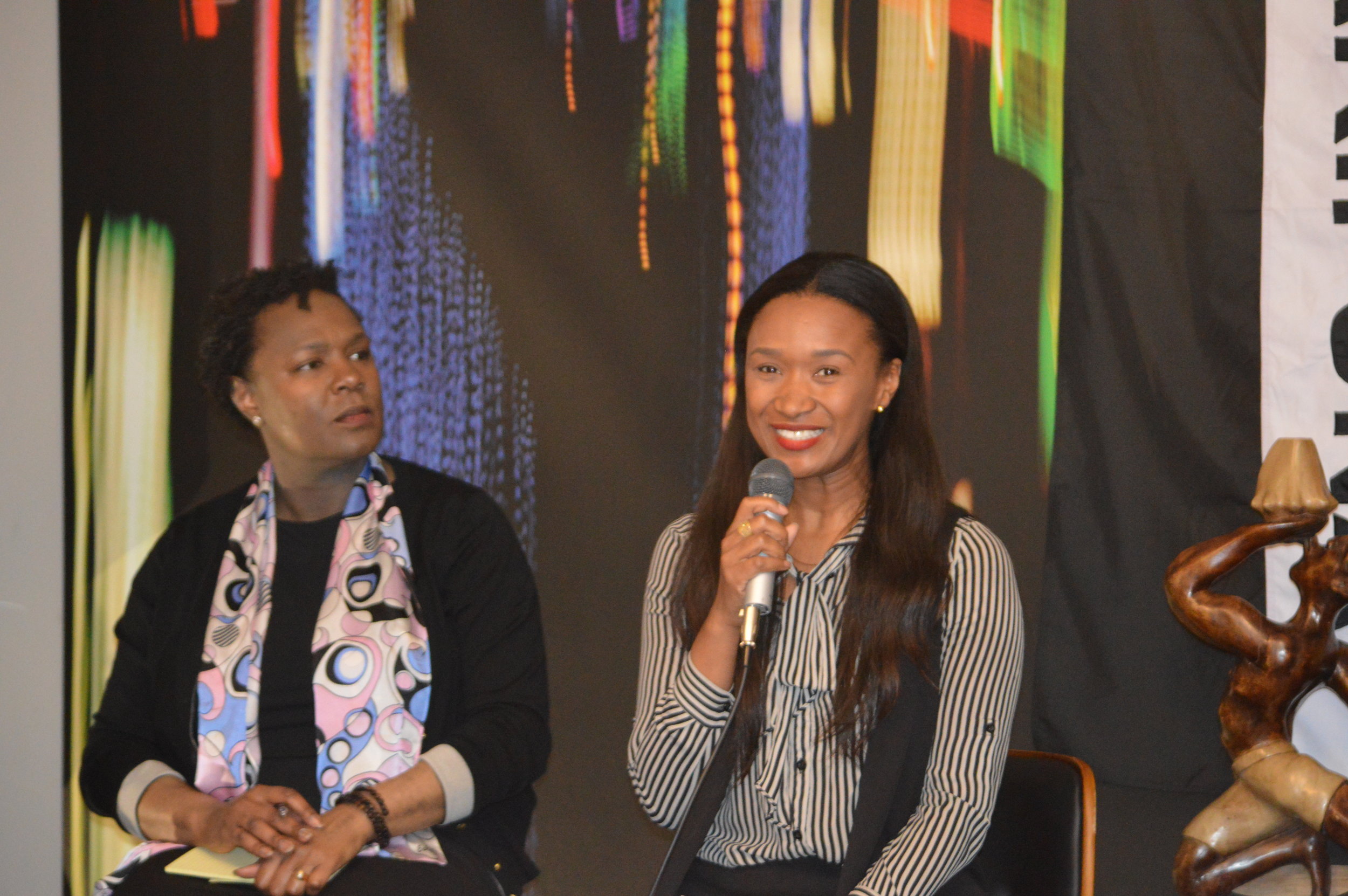
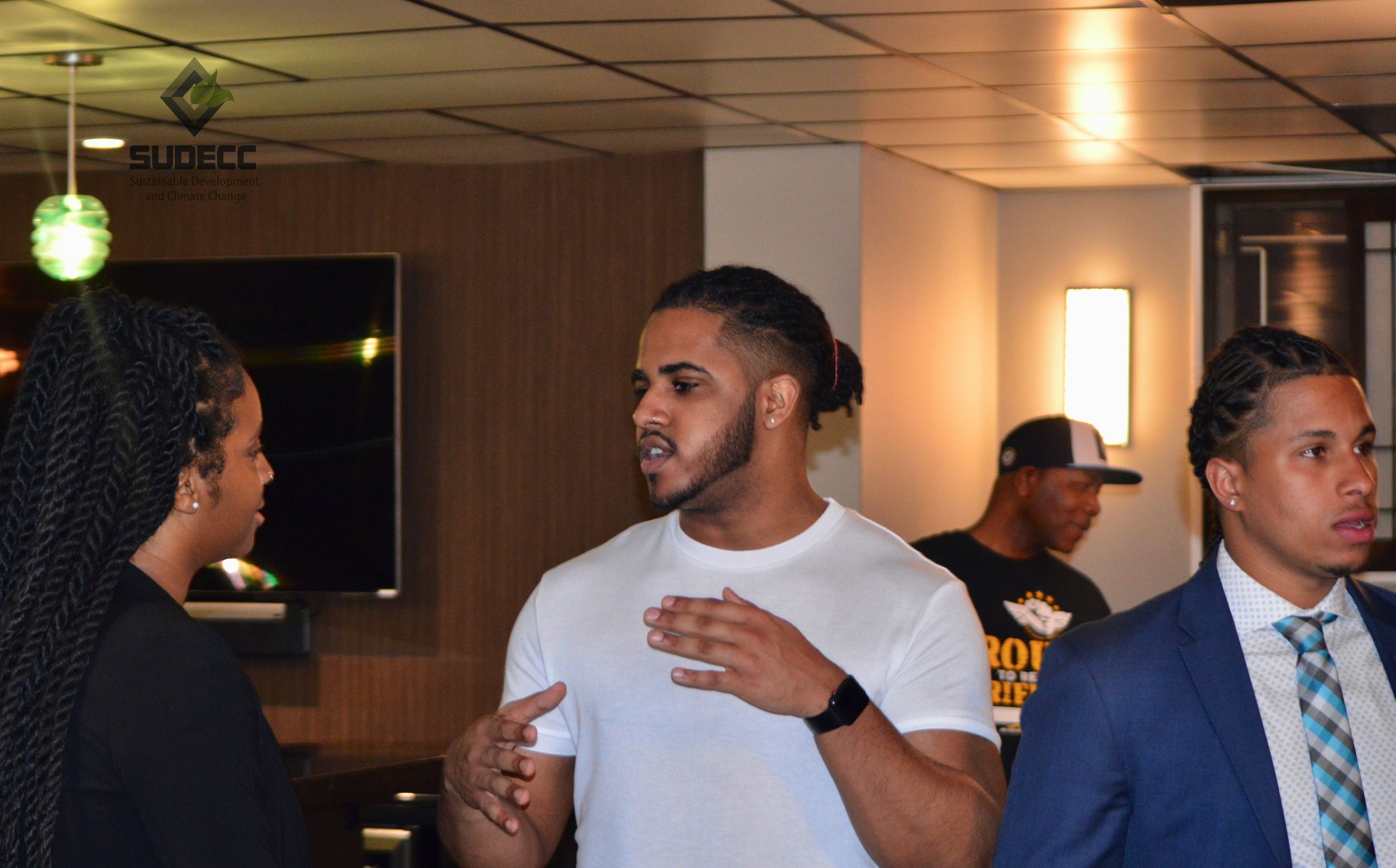
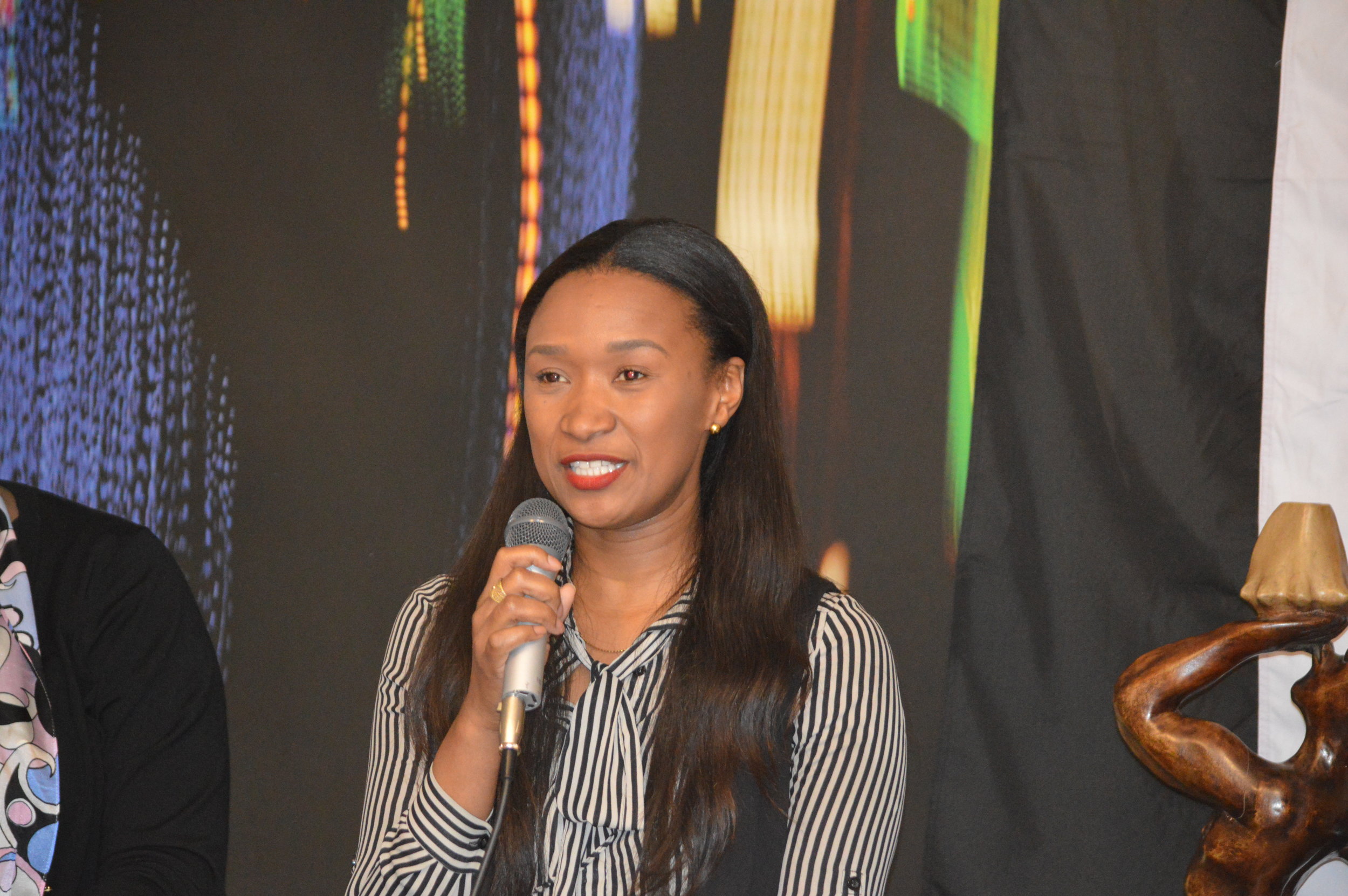
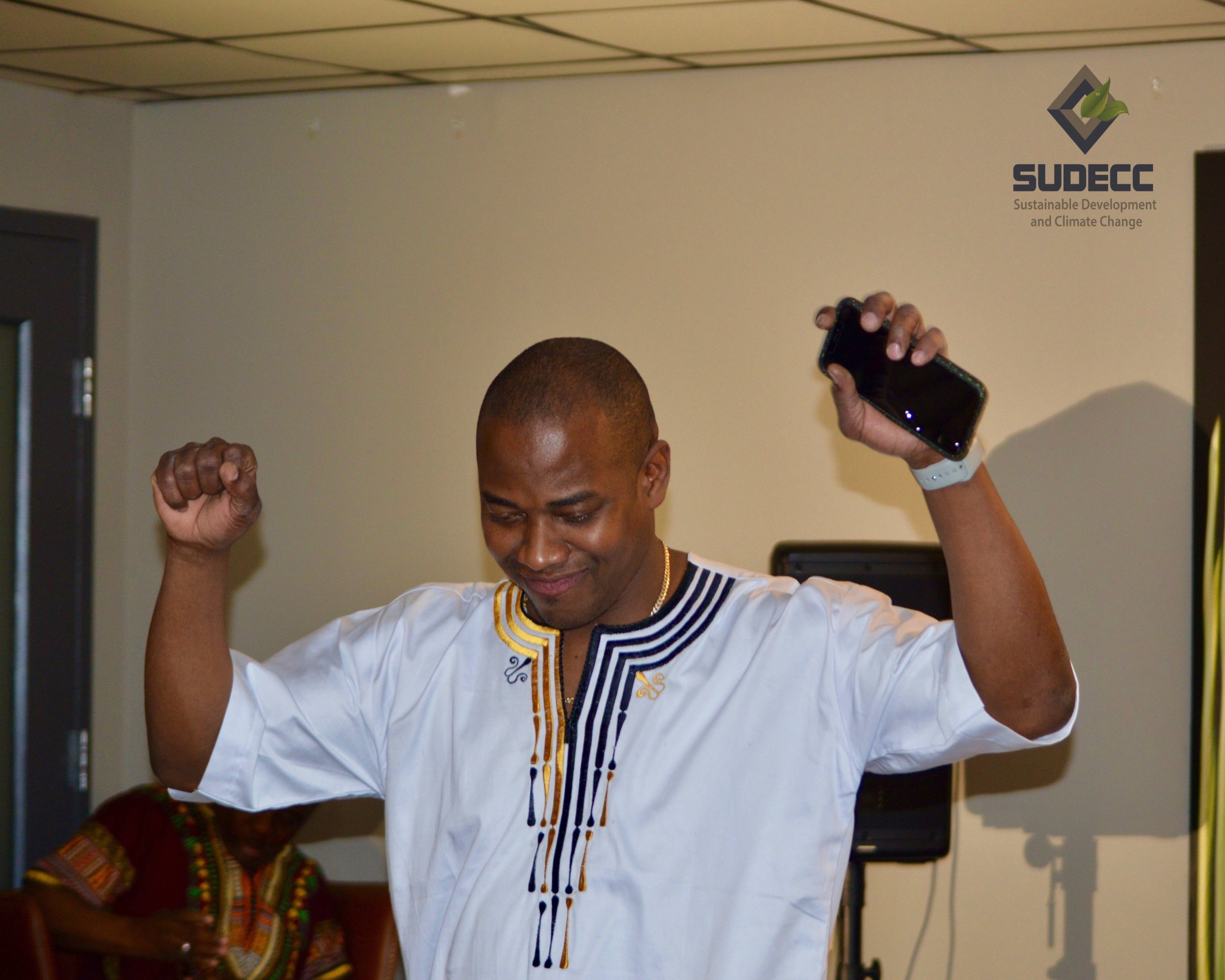
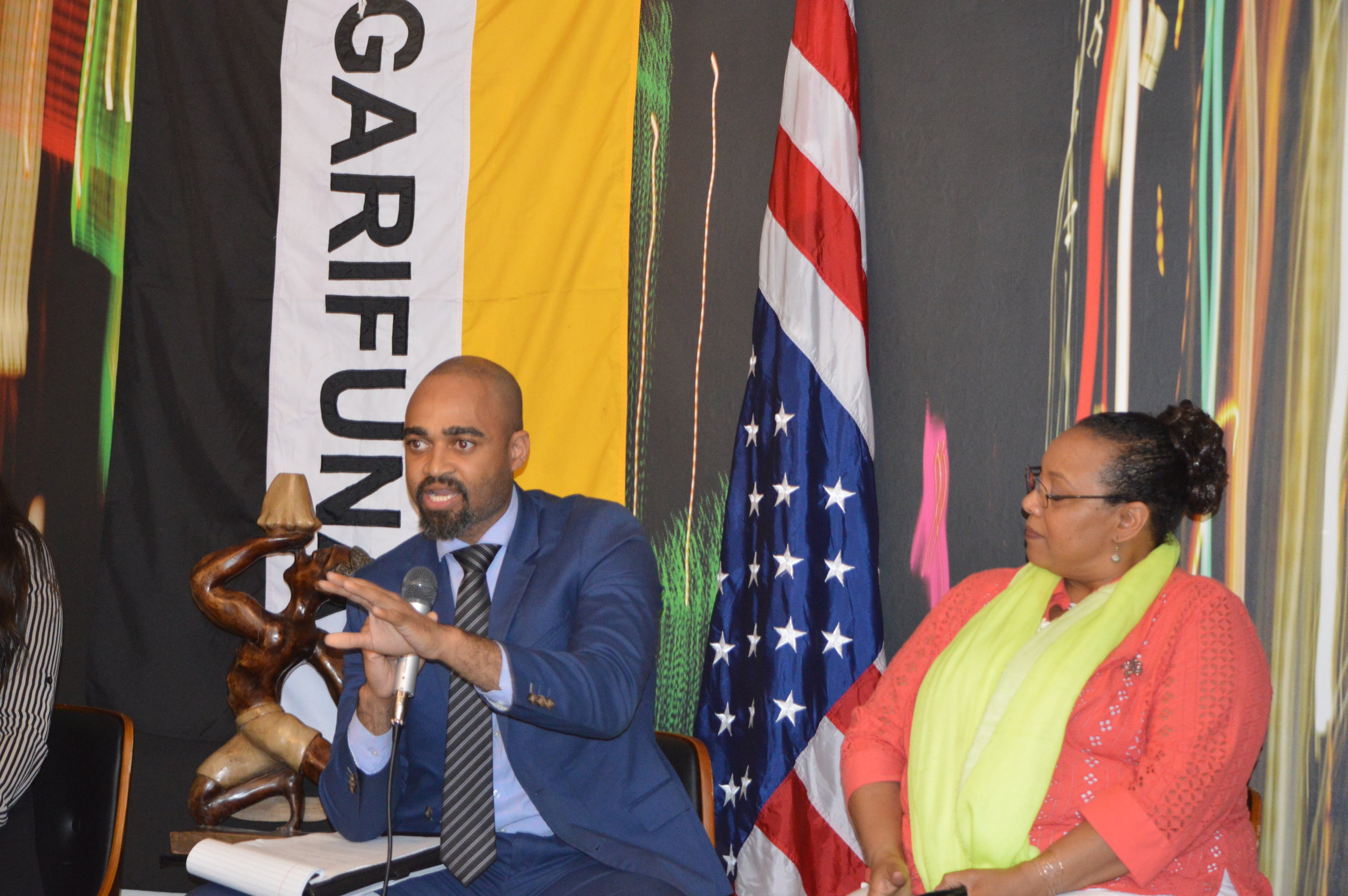
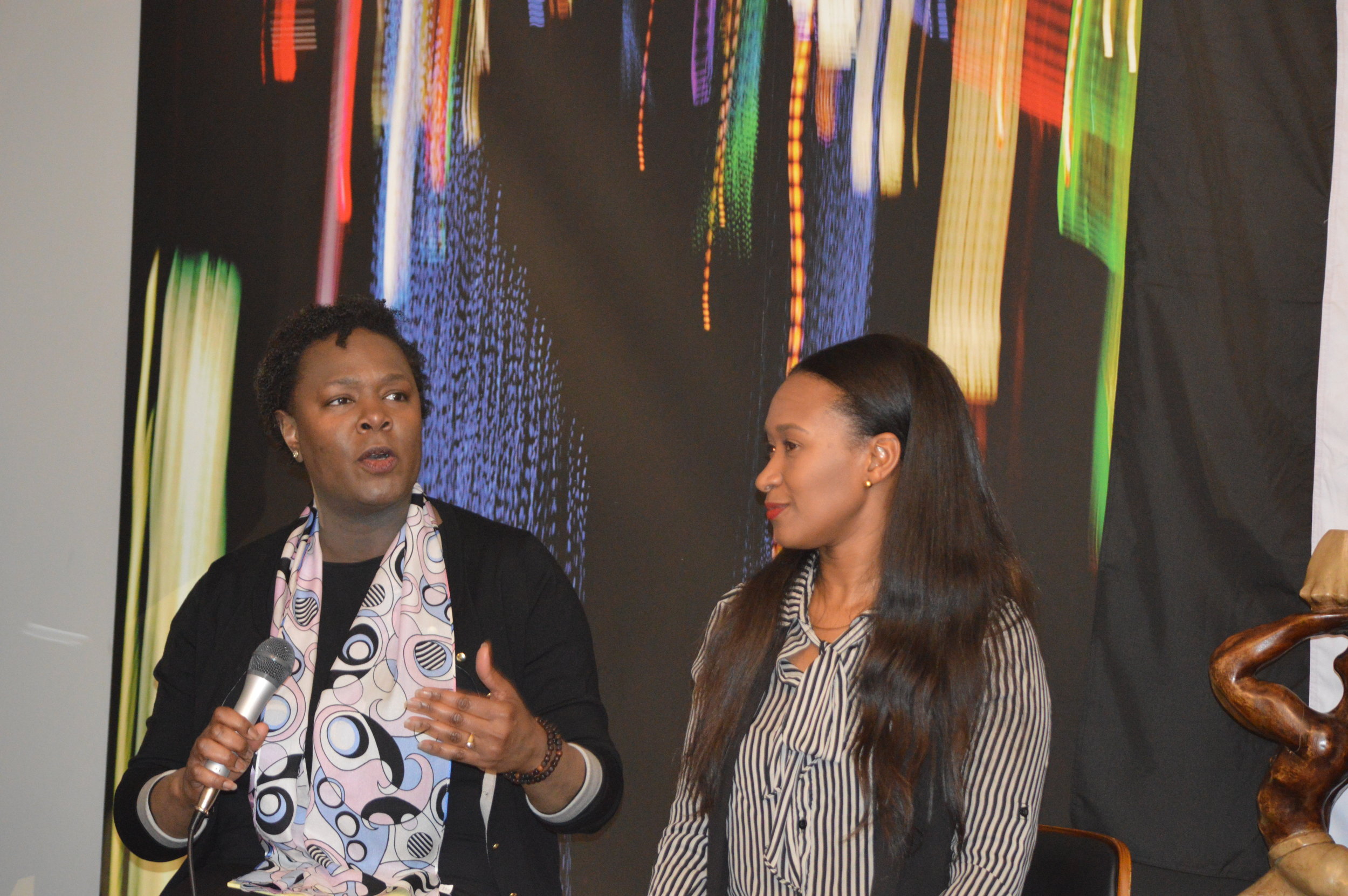
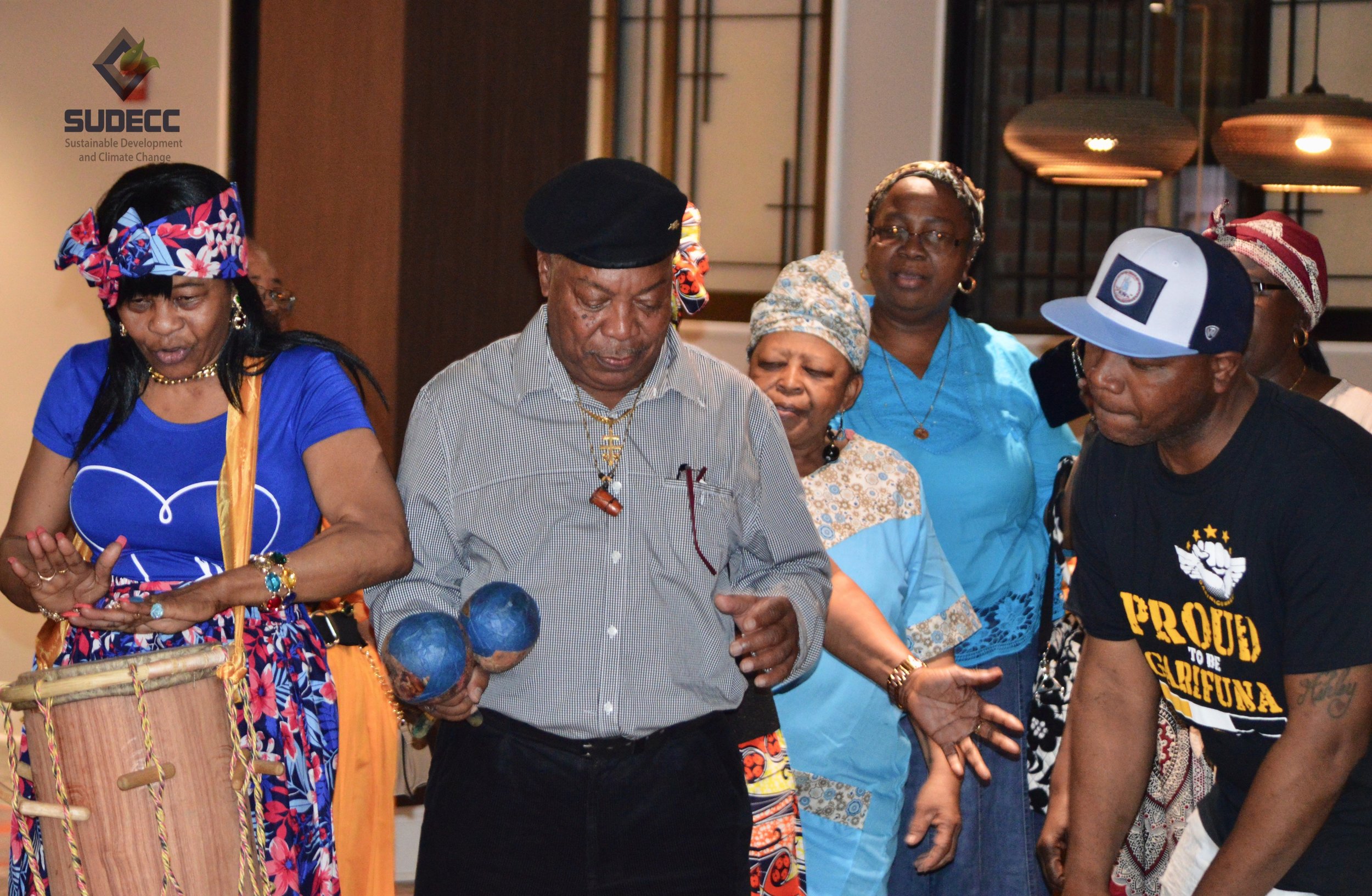
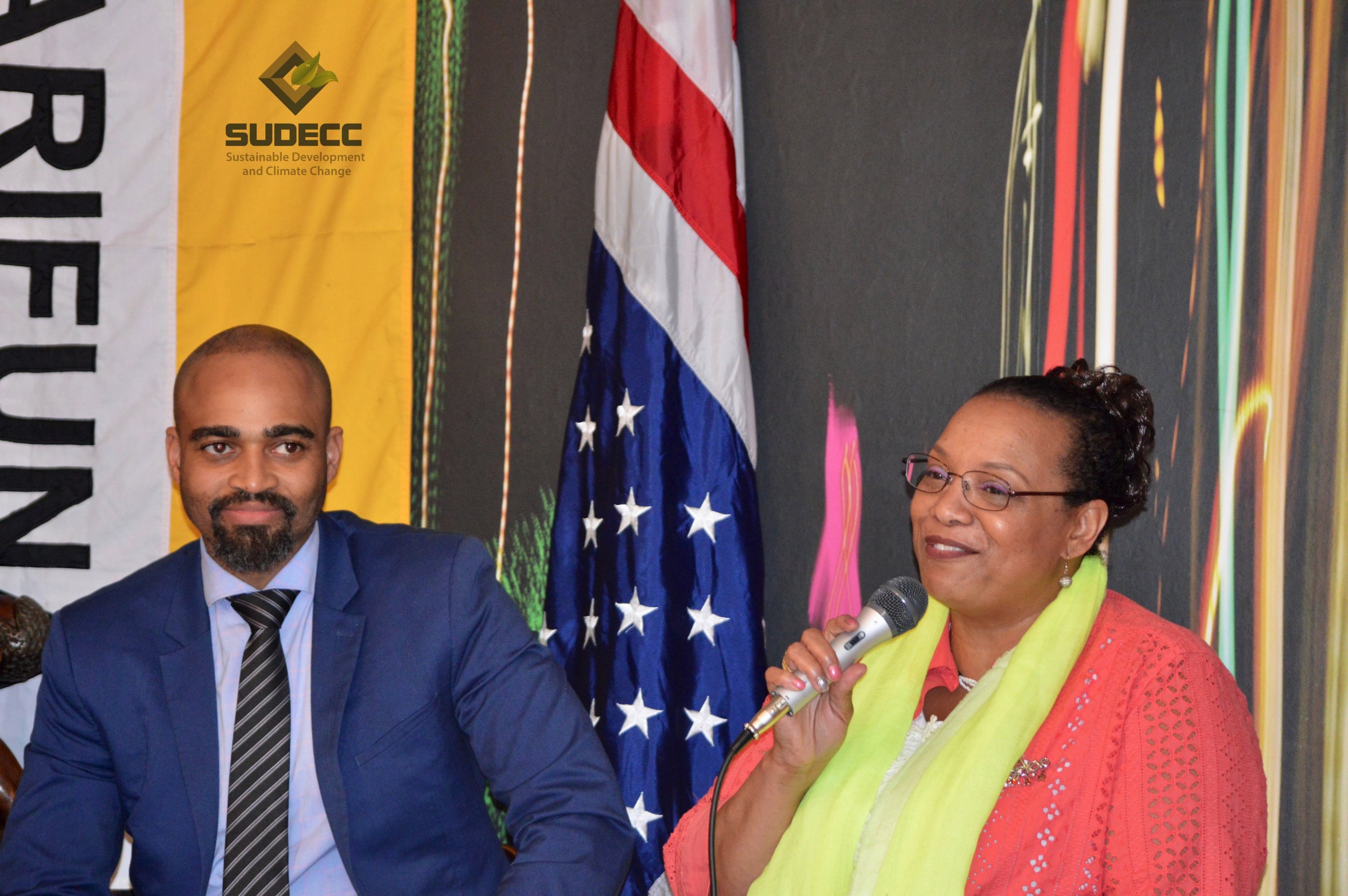
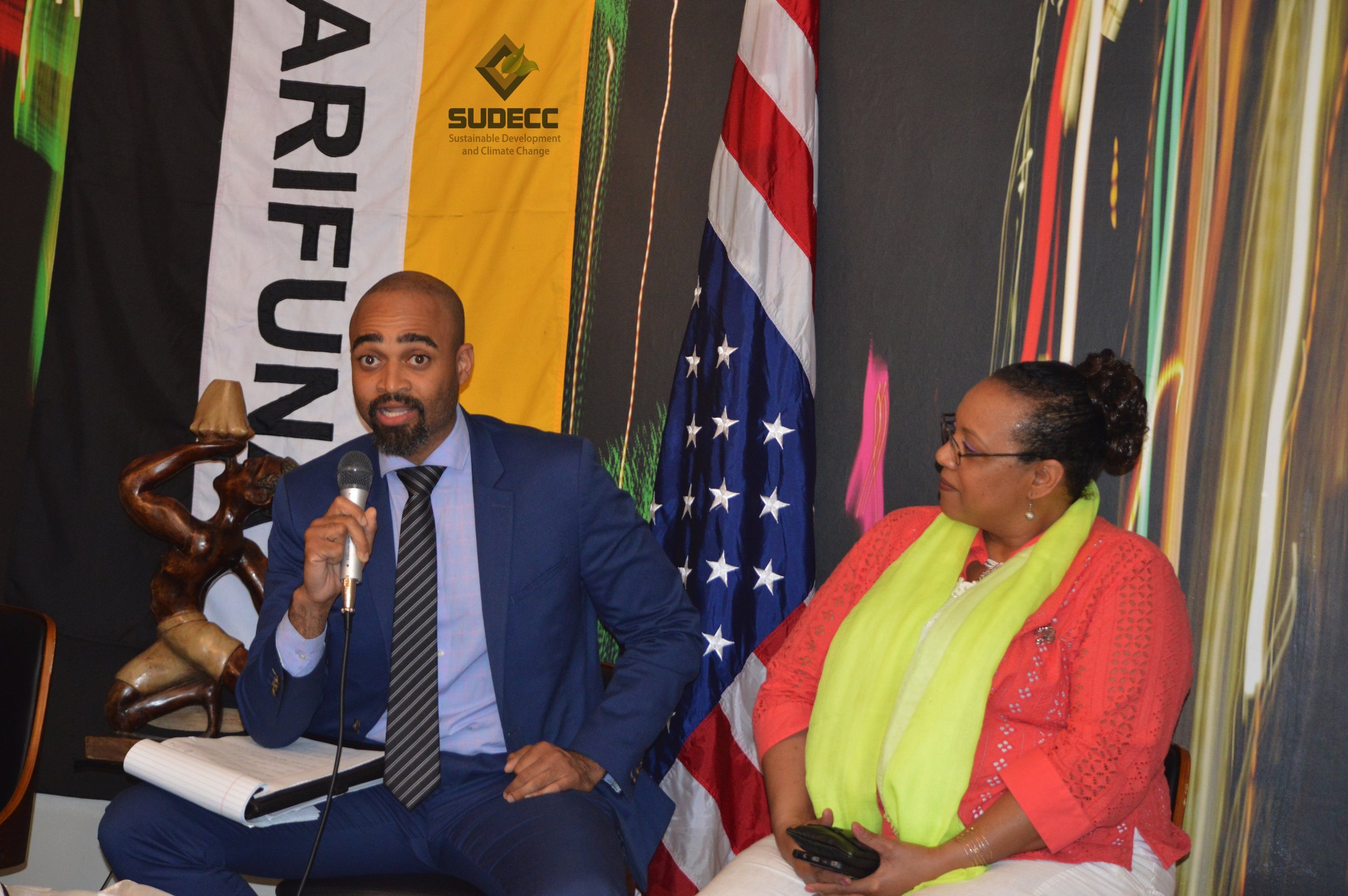
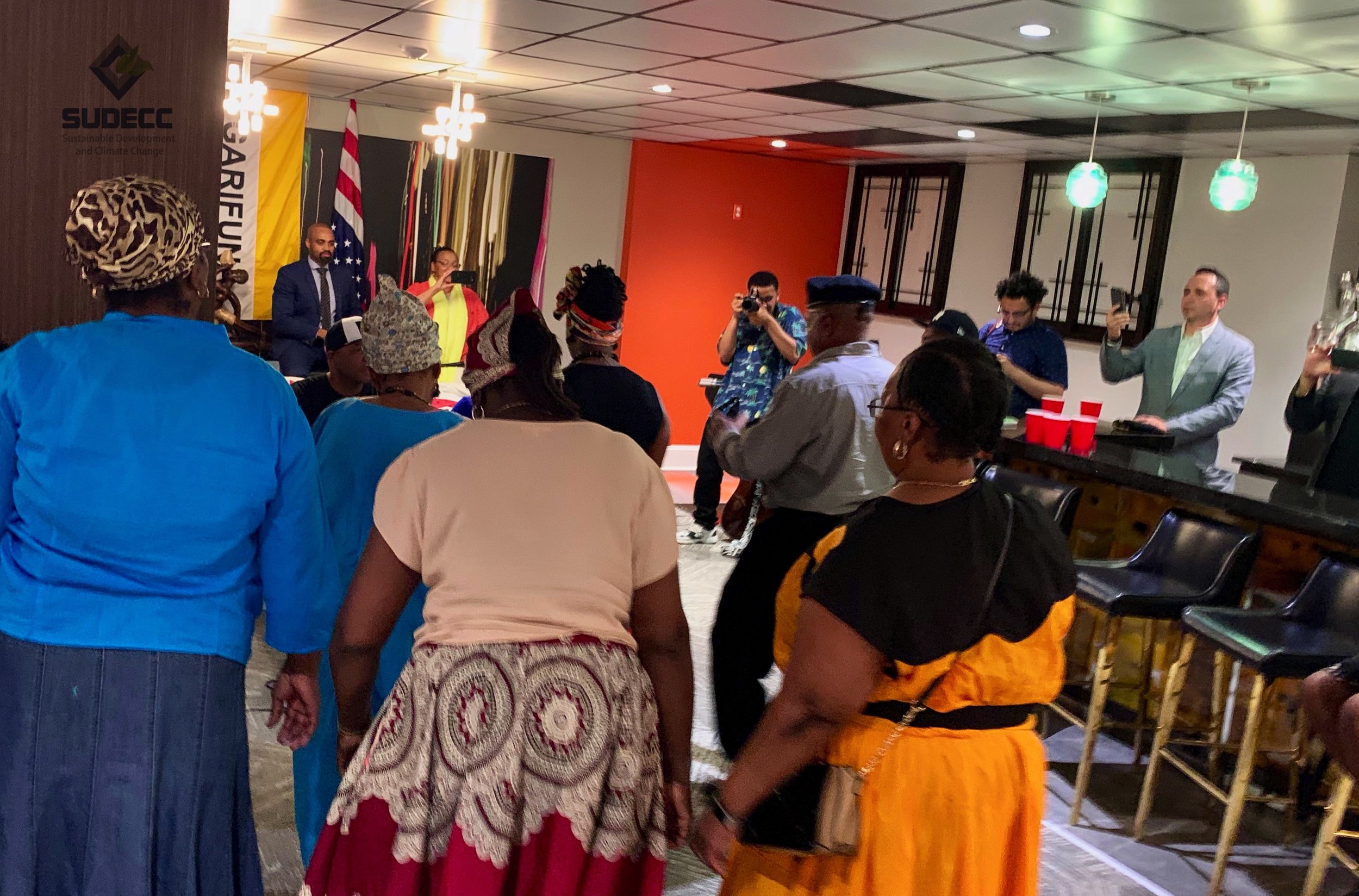
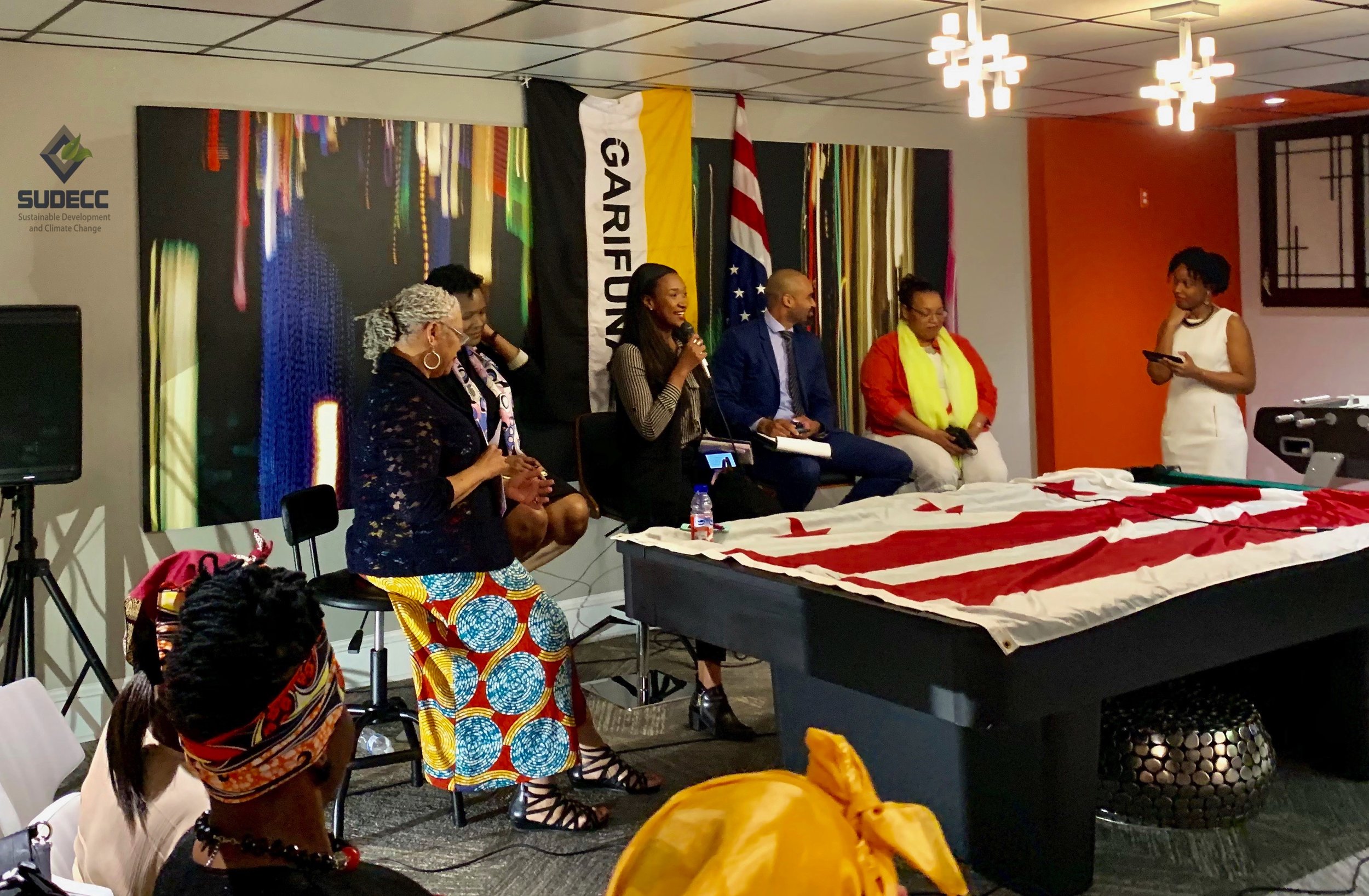
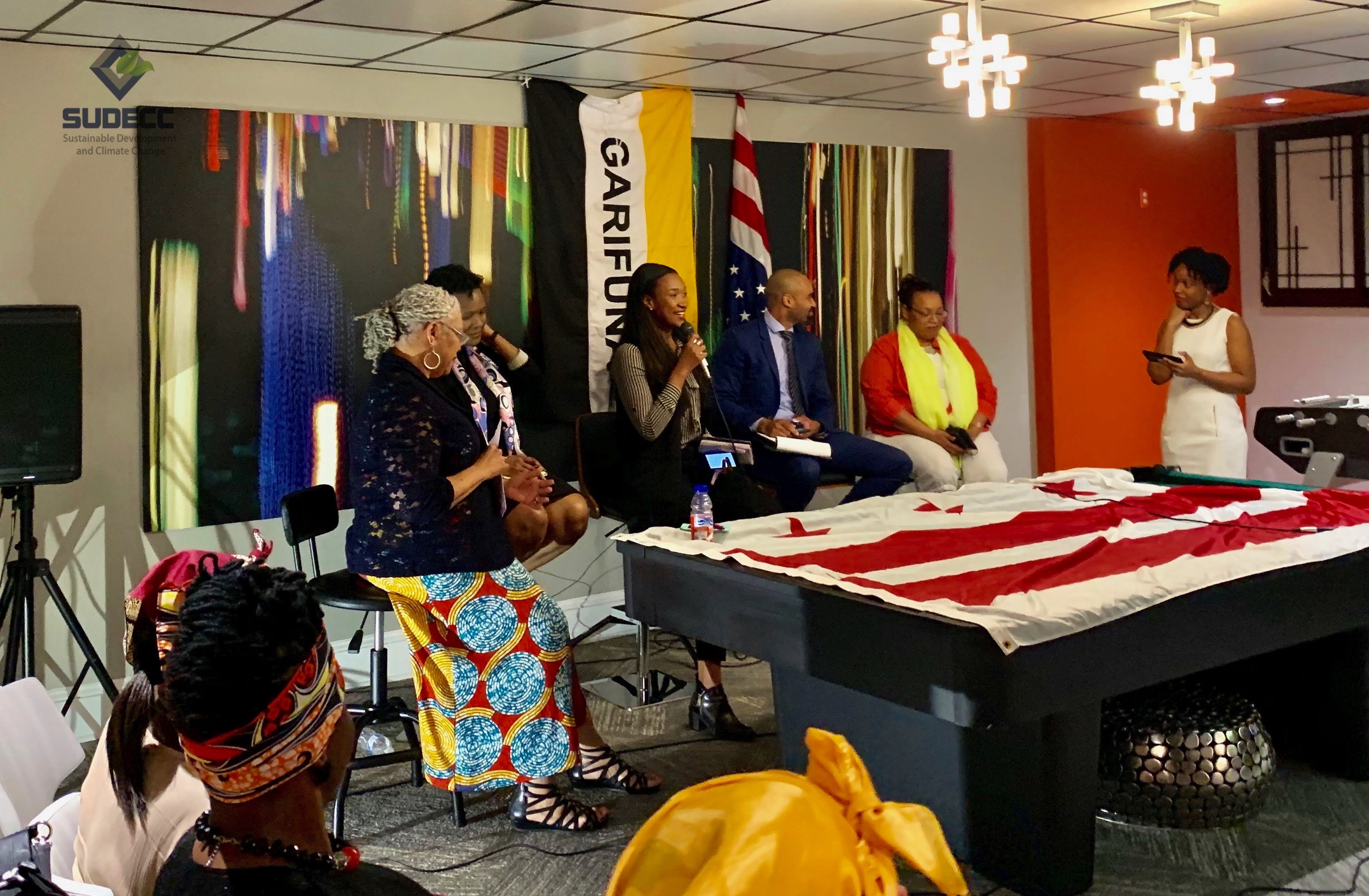
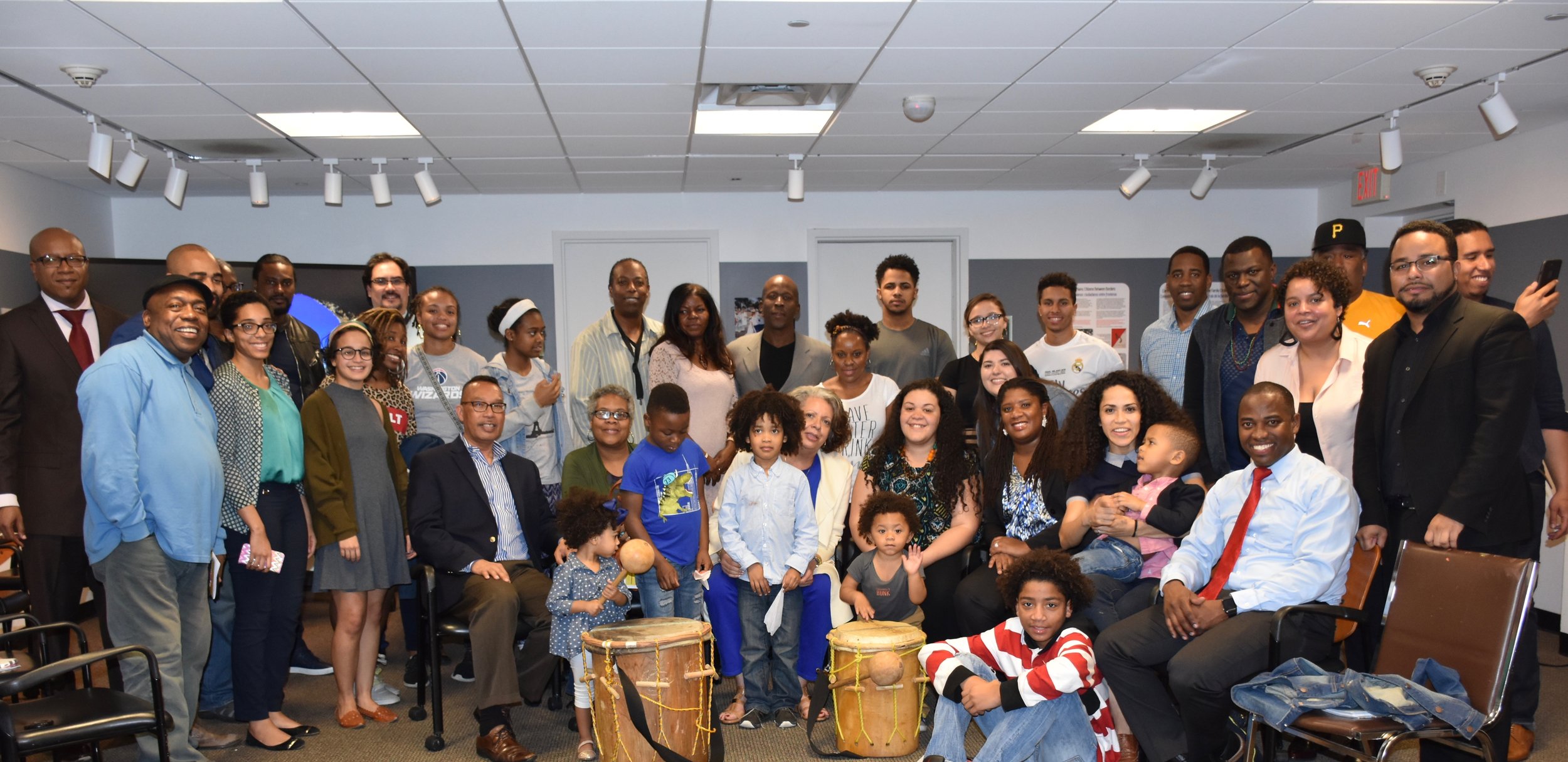
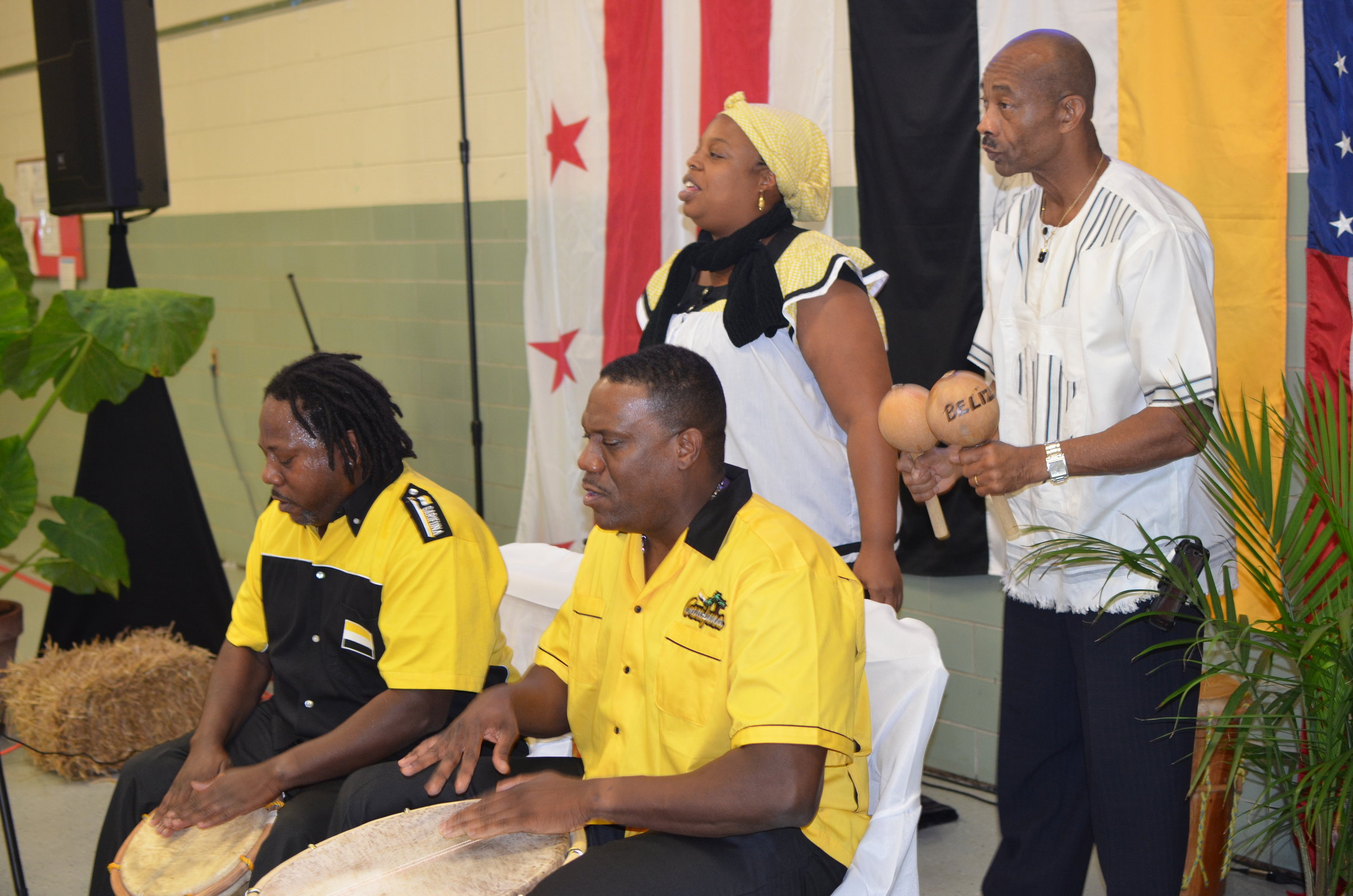
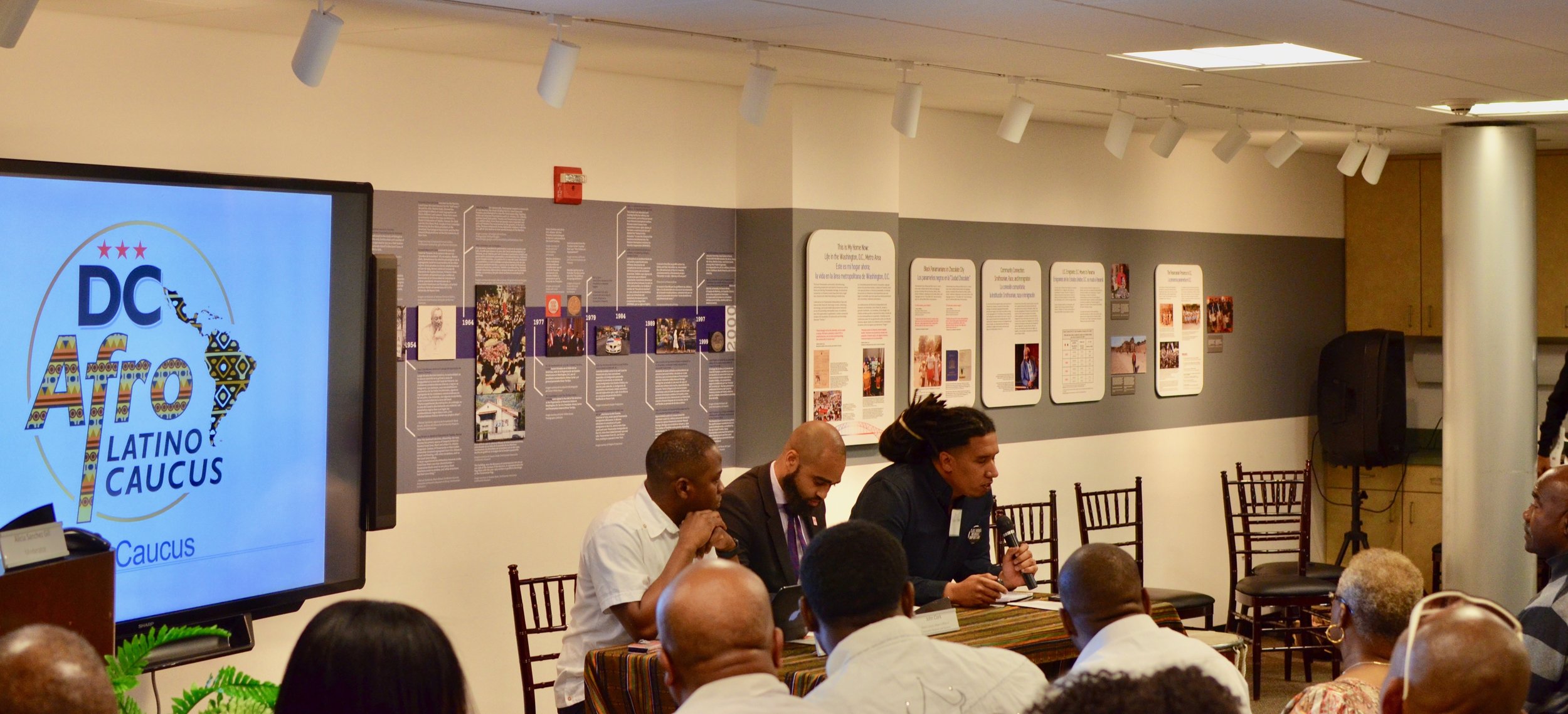
How can we empower and target undercounted communities during the upcoming 2020 U.S. Census? We discussed this topic during SUDECC’s most recent Emancipation Day, Earth Day & Garifuna Settlement Day Celebration in Washington, DC. Federal and local government representatives, international development professionals, and community activists contributed to the conversation and I enjoyed it.

Census data is crucial to the successful creation of policies and the implementation of programs. Understanding how it is collected, tabulated, analyzed and reported is a key part of the process.

DSC_0082.JPG
DSC_0092.JPG
DSC_0093.JPG
DSC_0078.JPG
DSC_0095.JPG
DSC_0098.JPG
DSC_0100.JPG
DSC_0101.JPG
DSC_0079.JPG
DSC_0105.JPG
DSC_0108.JPG
DSC_0110.JPG
DSC_0111.JPG
DSC_0113.JPG
DSC_0114.JPG
DSC_0116.JPG
DSC_0117.JPG
DSC_0120.JPG
DSC_0122.JPG
DSC_0125.JPG
DSC_0127.JPG
DSC_0131.JPG
DSC_0134.JPG
DSC_0136.JPG
DSC_0139.JPG
DSC_0140.JPG
DSC_0145.JPG
DSC_0146.JPG
DSC_0147.JPG
DSC_0149.JPG
DSC_0150.JPG
DSC_0151.JPG
DSC_0153.JPG
DSC_0155.JPG
DSC_0156.JPG
DSC_0158.JPG
DSC_0159.JPG
DSC_0160.JPG
DSC_0162.JPG
DSC_0165.JPG
DSC_0166.JPG
DSC_0173.JPG
DSC_0179.JPG
DSC_0182.JPG
DSC_0184.JPG
DSC_0068.jpg
DSC_0187.JPG
DSC_0071.jpg
DSC_0192.JPG
DSC_0073.jpg
DSC_0204.JPG
DSC_0075.jpg
DSC_0208.JPG
DSC_0077.jpg
DSC_0209.JPG
DSC_0082-1.jpg
DSC_0210.JPG
DSC_0088.jpg
DSC_0218.JPG
DSC_0104.jpg
DSC_0224.JPG
DSC_0105.jpg
DSC_0225.JPG
DSC_0108.jpg
DSC_0228.JPG
DSC_0122.jpg
DSC_0230.JPG
DSC_0129.jpg
DSC_0237.JPG
DSC_0133-1.jpg
DSC_0241.JPG
DSC_0133.jpg
DSC_0256.JPG
DSC_0142.jpg
DSC_0271.JPG
DSC_0172.jpg
DSC_0277.JPG
DSC_0177.jpg
DSC_0278.JPG
DSC_0187.jpg
DSC_0287.JPG
DSC_0192.jpg
DSC_0294.JPG
DSC_0198-1.jpg
DSC_0298.jpg
DSC_0200-1.jpg
DSC_0203-1.jpg
DSC_0203.jpg
DSC_0220.jpg
DSC_0222-1.jpg
DSC_0224.jpg
DSC_0233-1.jpg
IMG_3590-1.jpg
IMG_3594-1.jpg
IMG_3594.jpg


Wednesday 04.17.19
Posted by Julio Guity
 

Census Bureau’s Statistics of Afrodescendent people

Saturday 04.06.19
Posted by Julio Guity
 

Testimony of Gilberto Amaya before the DC Council

IMG_1299.JPG

Mr. Amaya’s Testimony before the DC Council

Afro-Latinos and the National Advisory Committee on Race and Ethnicity (NAC) for the US Census Bureau

March 26, 2019

Honorable Members of the DC Council; Ladies and Gentlemen: Good morning.

My name is Gilberto Amaya, and I am a member of the National Advisory Committee on Race and Ethnicity (NAC) for the US Census Bureau, but I am also a member of the Afro-Latino community, and it is in that capacity that I appear before you today. I am not representing NAC.I am here to testify in favor of Mayor Bowser proposed budget of $2.5 million for the DC census efforts to ensure a complete count. This is of great importance for us in the Afro-Latino community because of the current invisibility of Afro-Latinos as a distinct segment of the larger Hispanic population. Our population is considered among the “hard to count populations” by the Census Bureau and, as such, our communities are missing on the benefits including policies, representation, investments and services—health, education, housing—associated with being counted; our living conditions and specific needs are often not known; and our potential contributions ignored.

Our indicators are lost within the averages created for the larger Hispanic population, while—like in Latin America—we can be found at the bottom of the socio-economic ladder. Our populations are poor and vulnerable. A recent article from the Census Bureau reporting lower levels of poverty among Hispanics may not be applicable to Afro-Latinos, whose indices may be similar or lower than those for African-Americans.In Latin America, the Afro-descendant population is estimated at about 150 million, or about 30% of the total population of the region. In the United States, according to research by the Census Bureau, only 2.5% of respondents to a survey self-identified as Black/Hispanic.

According to the National Survey of Latinos carried out by the Pew Research Center in October of 2014, with a sample of 1,500 Hispanic adults, 24% self-identified as Afro-Latino, when asked the question directly, which is closer to the reality in Latin America. However, the survey also highlighted a high level of confusion between race and origin. Current figures represent a significant undercounting of Afro-Latinos in the country. We are concerned that the lack of clarity regarding the question on race and ethnicity, along with other challenges including online filing of Census forms to save resources at the Census Bureau, and a question regarding citizenship, will make it more difficult to ensure participation of already hard to count communities.

This will become a hindrance to achieving a complete count in the 2020 Census. We believe that appropriate financing can help overcome these challenges by allowing for special outreach efforts to our communities through targeted special messaging and imaging to promote greater participation, and the necessary follow up to achieve the commitment by the District to social and racial equity “the District must continue to ensure that the most vulnerable populations are counted and that District Policies continue to support the diversity that makes DC great.” A special outreach effort will require a greater financial commitment.Finally, I would like to mention the International Decade of Peoples of African Descent: Recognition, Justice and Development (2015 - 2024) proclaimed by the General Assembly of the United Nations in 2013. The important pillars of the Decade cannot be fulfilled in the absence of specific data, and this begins with an accurate and complete counting in the Census.

The District has the opportunity to become a leader in addressing the Afro-Latino issues in the 2020 Census and beyond by working with partners like Sustainable Development and Climate Change (SUDECC) and other organizations like La Union DC, DC Afro-Latino Caucus already doing great work within the Afro-Latino community of the District. The Afro-Latino population is estimated at 73,000 individuals with high concentrations in Columbia Heights, Adams Morgan, U Street and Mt. Pleasant, in Wards 1 and 4. The Afro-Latino organizations are interested in collaborating with the census efforts of the Complete Count Committee of the District of Columbia as trusted voices in their respective areas of operations.

Thank you very much for the opportunity. I would be pleased to answer your questions.

Wednesday 03.27.19
Posted by Julio Guity
 

The 2020 U.S. Census and Afro-Latinos in the DC Council

Black History Month, the 2020 U.S. Census and Afro-Latinos in the DC Council

By Julio Guity Guevara

Feb11, 2019 7:75pm ET

In an effort to address concerns raised by millions of Afro-Latinos, a growing segment of the U.S. Hispanic population, there is an ongoing conversation between Afro-Latino leaders and key stakeholders in the Council of the District of Columbia. Topics of interest include the need for recognition, political representation and participation in the economic vitality of the United States.

On Thursday February 11, 2019, a meeting took place between members of the DC Council and the Sustainable Development and Climate Change (SUDECC) team, the DC Afro-Latino Caucus and other community advocates. The discussion centered around the importance and impact of the upcoming 2020 Census on Afro-Latino communities of DC and the U.S. These exchanges are particularly relevant in the context of the upcoming 2019 DC Emancipation Day, the 2019 Garifuna Settlement Day and the 2020 U.S. Census.

Afro-Latino community

Similar to what is sought by DC Statehood advocates, pursue recognition for their contribution to the U.S. social and economic development

Meetings with staffs of At-Large Councilmember Robert C. White, Jr. and At-Large Councilmember Anita Bonds offered participants an opportunity to seek potential partnerships with relevant DC government agencies and other stakeholders to address concerns regarding invisibility and undercount of Afro-Latinos in the data collected by federal and local governments.
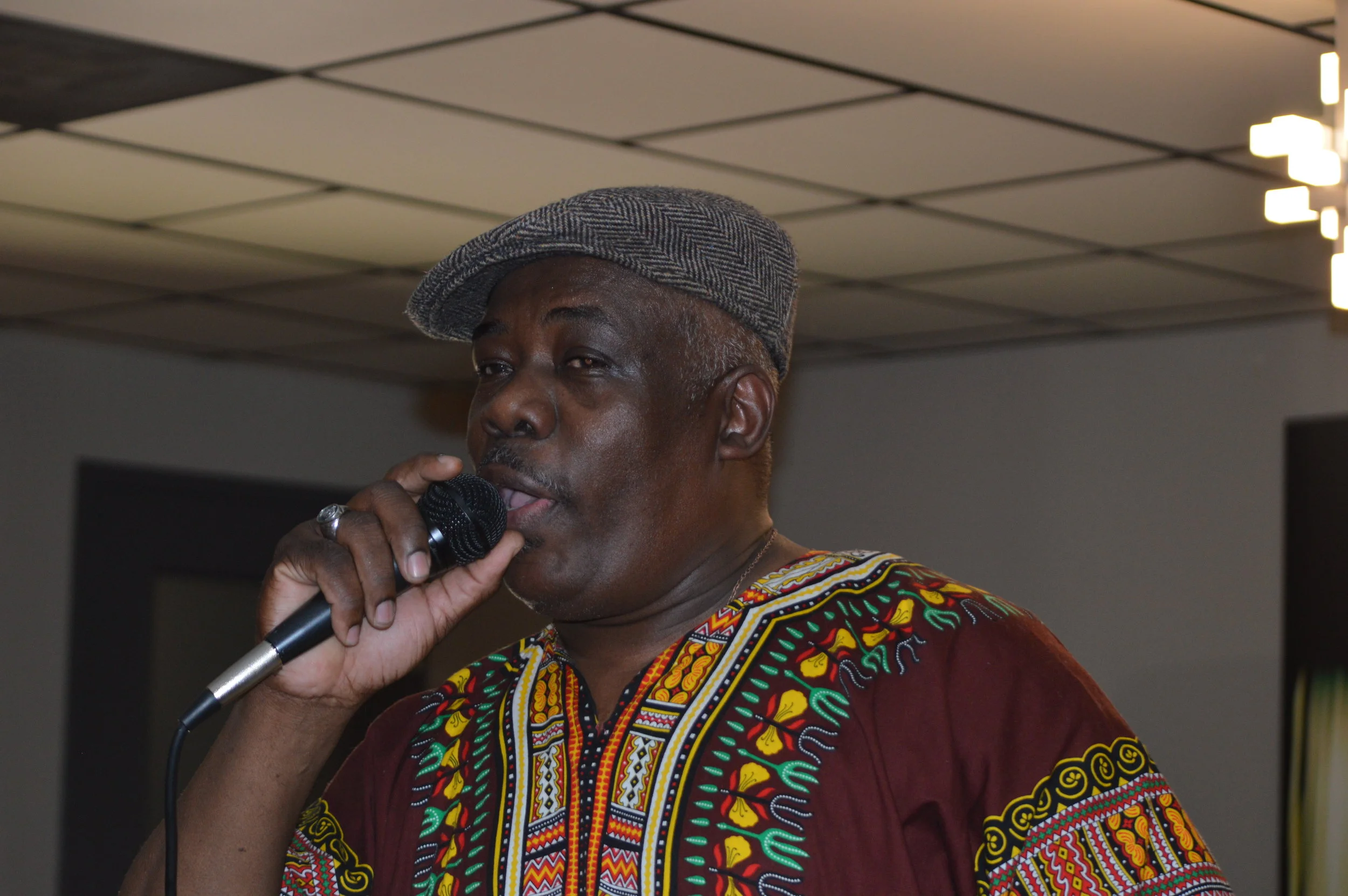
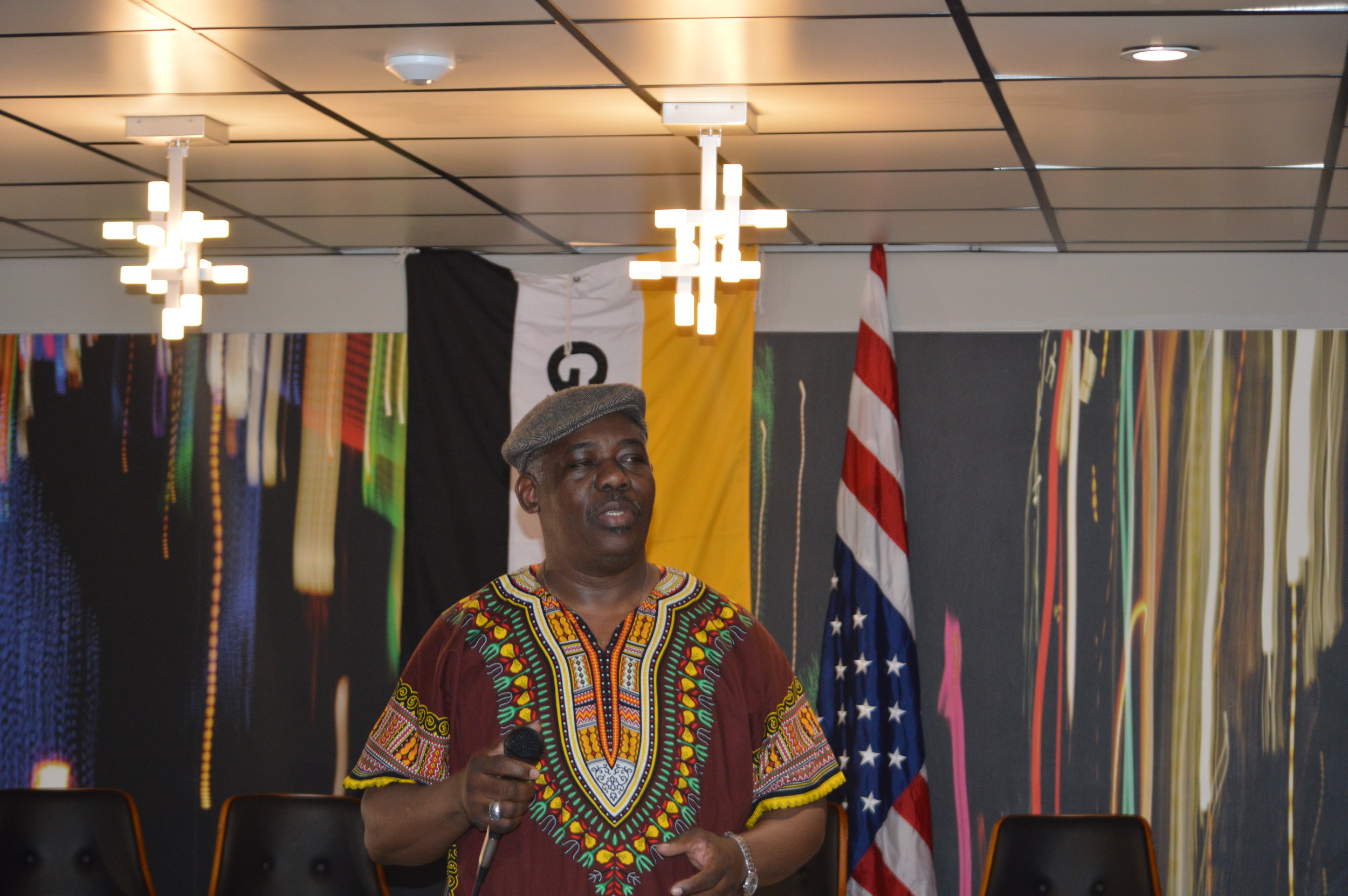
Washington, DC has the potential to become a pioneer in collecting accurate data on the Afro-Latino population to address the needs of this traditionally underfunded population. A proposal was made to organize a panel to address the challenges of the Afro-Latino community and highlight the contributions of long-time residents such as Casilda Luna. The proposed panel would be co-sponsored by SUDECC, the DC Afro-Latino Caucus, the Office of At-Large Councilmember Robert C. White, Jr. and theOffice of At-Large Councilmember Anita Bonds and other stakeholders.

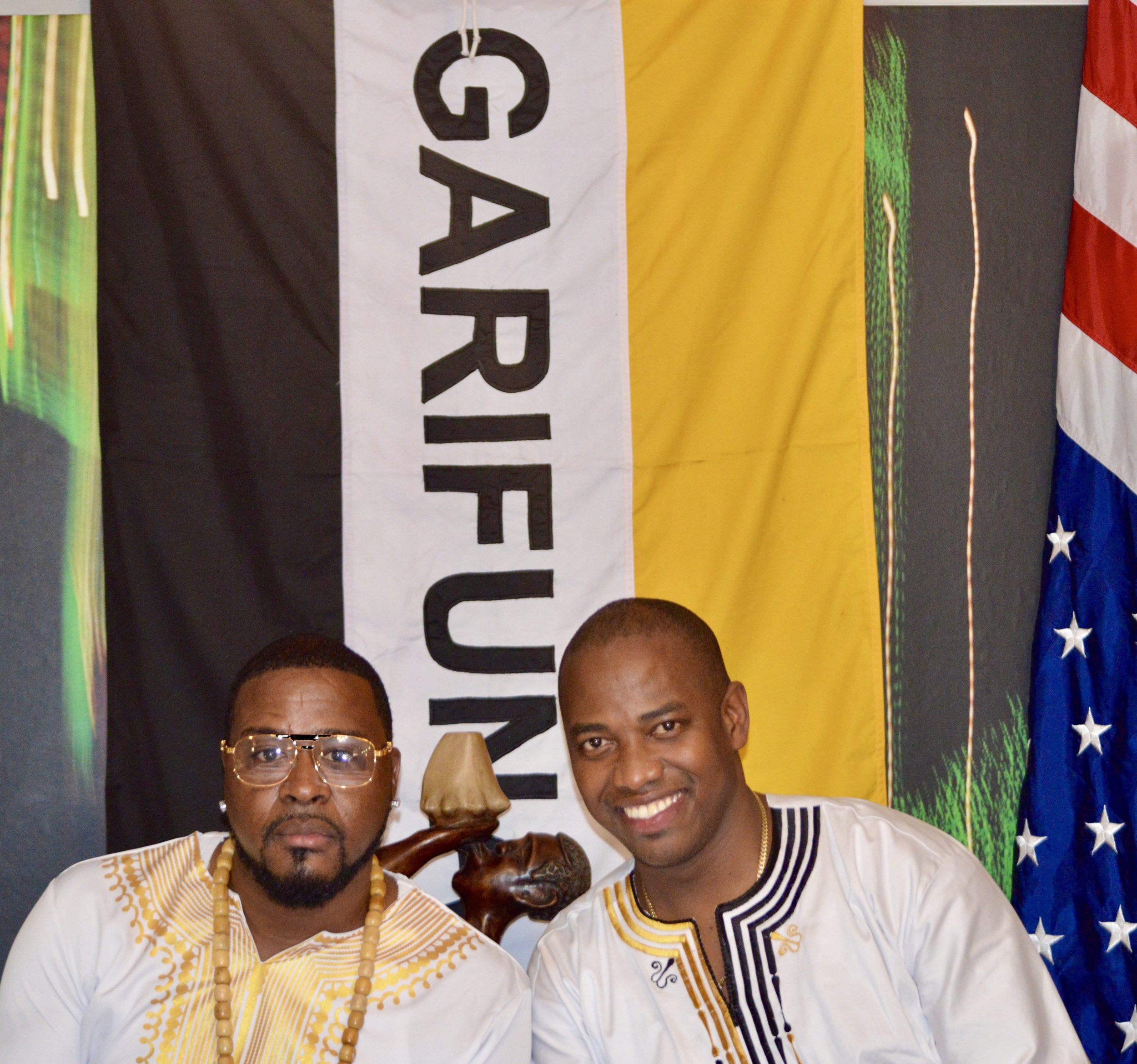
In order to bring visibility to the Afro-Latino community, and its relationship to African descendants worldwide, the panel would take place on April 13, 2019 to celebrate both Emancipation Day and the Garifuna Settlement Day. This will allow participants to learn about the unique and compelling story of the Garifunas, a growing community of DC. Moreover, it will provide an opportunity to reflect on the elements of UNESCO’s 2001 proclamation of Garifuna Language and Culture as a “Masterpieces of the Oral and Intangible Heritage of Humanity.”

Similar to what is sought by DC Statehood advocates, Afro-Latino organizations pursue recognition for their contribution to this country. Therefore, to have an accurate picture of the Afro-Latino population, it is crucial to take steps to ensure that 2020 census data collection issues are addressed, monitored and evaluated. This will help achieve the stated mission of the U.S. Census, which is to accurately count everyone, while facilitating an equitable distribution of federal and local funds.

There is an expectation that approximately $675 billion will be allocated every year for federal and state governments in the United States. The outcomes of the Census play an important role on how these resources will be allocated.

Over the next decade, adapting to climate change will remain a priority in every city.  There is a high likelihood that Afro-Latinx immigrants will need assistance that is culturally-sensitive. Such is the case of immigrants coming from the Garifuna communities or Roatán Island in Central America, Choco or San Andres Province of Santa Catalina in Colombia, Oaxaca in Mexico, Salvador da Bahia in Brazil, Colon in Panama, Esmeralda in Ecuador or Santiago de Cuba. A culturally competent approach will be needed, particularly if we are serious about effectively implementing potential natural disaster risk management plans.

A special thanks to the DC Council staff for making this dialogue possible, especially to David Meadows, Senior Advisor of the Office of At-Large Councilmember Anita Bonds and Mtokufa H. Ngwenya, Chief of Staff of the Office of At-Large Councilmember Robert C. White, Jr.

Write to Julio Guity-Guevara at julio.guity@sudecc.com

DSC_0038.jpeg
CAN_5389.jpeg
CAN_5178.jpeg
CAN_5125.jpg
CAN_5122.jpg
CAN_5123.jpg
CAN_4812.jpg
CAN_4873.jpg
CAN_5121.jpg
CAN_5124.jpeg
CAN_5134.jpg
CAN_5160.jpg
CAN_5194.jpg
CAN_5197.jpg
CAN_5215.jpg
CAN_5297.jpg
CAN_5300.jpeg
CAN_5315.jpeg
CAN_5307.jpg
CAN_5318.jpg
CAN_5325.jpg
CAN_5346.jpeg
CAN_5393.jpg
DSC_0007.jpg
DSC_0025.jpeg
DSC_0029.jpeg
DSC_0035.jpg
DSC_0046.jpg
DSC_0109.jpg
DSC_0184.jpg
DSC_0186.jpg
DSC_0234.jpg
DSC_0311.jpg
DSC_0380.jpeg
DSC_0385.jpg
DSC_0651.jpg
DSC_0676.jpeg
DSC_0686.jpeg
DSC_0766.jpeg
DSC_0794.jpg
DSC_0797.jpg
FLO_1388.jpg
FLO_1400.jpg
FLO_1402.jpg
FLO_1404.jpg
FLO_1405.jpg
FLO_1415.jpg
FLO_1416.jpg
FLO_1422.jpg
FLO_1423.jpg
FLO_3133.jpg
FLO_4080.jpg
IMG_0524.jpeg
IMG_0634.jpg
IMG_0708.jpg
IMG_0724.jpeg
IMG_0892.jpg
IMG_1088.jpeg
IMG_1392.png
IMG_1871.jpeg
Julio-2.jpg
IMG_3107.jpeg

Recent related articles:

The State of Immigrants in the District of Columbia | Urban Institute

Afro-descendants in Latin America : Toward a Framework of Inclusion | The World Bank

With More "afro" Visibility, Latin America Redefines the Color Black | The World Bank

It’s time we stop ignoring Afro-Latino health disparities in the U.S. | HUFFPOST

Debunking the Myths about the Citizenship Question on the 2020 Census Form. Is the census only about apportionment and redistricting? Census data are a vital tool to address the nation’s legacy of…discrimination | NALEO Educational Fund

In Miami, your skin color is a better predictor of wealth than where your ancestors came from | Economic Policy | The Washington Post

Tuesday 02.12.19
Posted by Julio Guity
 
Newer / Older